
Why Learning Humanoid Robotics Can Prepare Kids for the Future
Parents today are preparing their children for a future that looks very different from the one they grew up in. Artificial intelligence, automation, and robotics are already transforming industries across the world, and tomorrow’s students will need more than traditional computer skills to succeed.
From healthcare and engineering to transportation and entertainment, intelligent technologies are becoming part of everyday life. That is why more families in Chatham, NJ are exploring STEM and robotics programs that help students build confidence with emerging technologies early.
At iCode Chatham, students are introduced to coding, robotics, AI concepts, and hands-on problem-solving in a way that makes learning engaging, creative, and future-focused.
Humanoid Robotics Is Coming to iCode Chatham This Summer
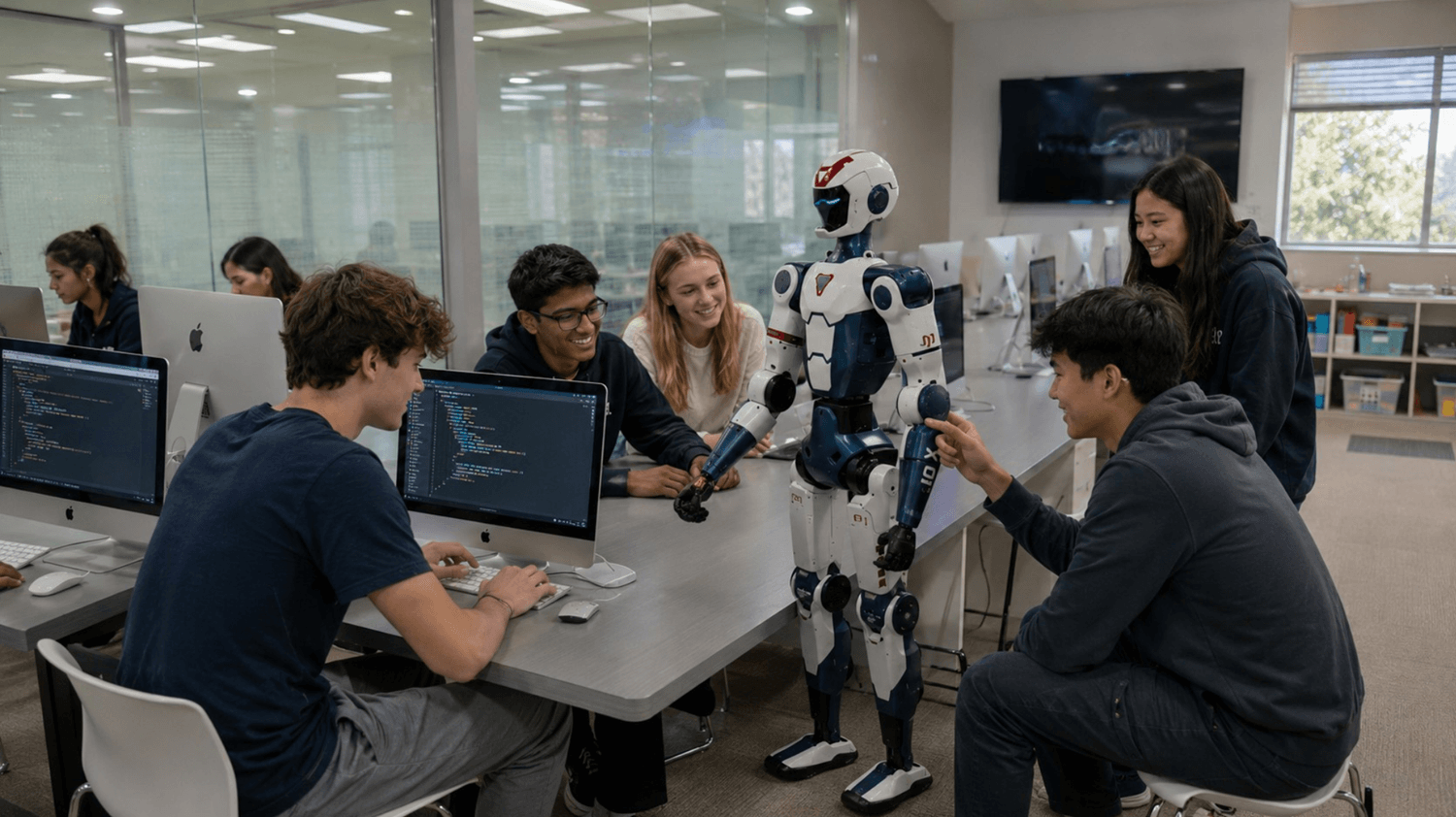
This summer, students at iCode Chatham will have the opportunity to explore one of the most exciting developments in modern STEM education as Unitree R1 humanoid robots arrive on campus.
The Unitree R1 represents a new generation of educational robotics platforms designed to help students experience artificial intelligence, robotics, engineering, and real-world automation in a hands-on environment. Unlike traditional classroom technology, humanoid robots create interactive learning experiences where students can see coding and engineering concepts come to life through movement, balance, sensors, and intelligent responses.
For students, this makes STEM learning far more engaging and memorable. For parents, it offers an opportunity to introduce children to technologies that are rapidly shaping industries across the world.
The Unitree R1 platform was chosen because it introduces students to concepts connected to real-world robotics systems, including:
- Artificial intelligence
- Robotics programming
- Human-machine interaction
- Sensors and automation
- Engineering design
- Problem-solving and experimentation
As robotics and AI continue becoming part of everyday life, early exposure to technologies like the Unitree R1 can help students build confidence, curiosity, and future-ready skills in an exciting and approachable way.
Students at iCode Chatham will not simply learn about robotics this summer. They will have the opportunity to interact with, program, and explore the technologies that are helping shape the future.
Why Robotics Education Matters for Today’s Students
For years, computer literacy was considered one of the most important skills students could learn. Today, the next evolution of technology education includes robotics, automation, and artificial intelligence.
According to the World Economic Forum Future of Jobs Report, technology-related skills, problem-solving, adaptability, and analytical thinking are becoming increasingly important in the future workforce.
Students growing up today are likely to interact with AI-powered systems throughout their lives, both at work and at home. Learning how these technologies function can help students become creators and innovators instead of simply consumers of technology.
Programs focused on robotics and AI can help students:
- Build confidence with technology
- Develop computational thinking skills
- Learn teamwork and collaboration
- Improve creativity and innovation
- Strengthen critical thinking abilities
- Explore future STEM career pathways
For parents in Chatham looking for meaningful enrichment opportunities, robotics education offers far more than screen time. It creates hands-on learning experiences that connect technology with real-world problem solving.
How Humanoid Robots Make STEM Learning More Engaging
One of the biggest challenges in STEM education is helping students connect abstract concepts to real-world applications. Reading about engineering or coding in a textbook is very different from programming a robot to move, respond, balance, or interact with its environment.
Humanoid robotics helps students experience STEM concepts in action.
When students work with robotics systems, they begin exploring:
- Sensors and perception systems
- Engineering and mechanics
- Artificial intelligence concepts
- Coding and automation
- Human-machine interaction
- Real-world troubleshooting
This type of experiential learning helps students stay engaged because they can immediately see the results of their ideas and problem-solving.
At iCode Chatham, students are encouraged to experiment, test solutions, and think creatively while building technical confidence through hands-on projects.
Parents looking for additional STEM opportunities may also enjoy exploring programs related to:
- Coding classes for kids
- Robotics camps
- Game development programs
- AI learning experiences
- Minecraft and Roblox coding activities
Robotics Helps Students Build More Than Technical Skills
The future workforce will not simply reward technical knowledge. It will reward adaptability, creativity, communication, and problem-solving.
Robotics education naturally encourages students to develop these essential life skills.
When a robotics project does not work as expected, students learn how to:
- Troubleshoot problems
- Analyze mistakes
- Improve their designs
- Collaborate with teammates
- Communicate ideas clearly
- Persist through challenges
These experiences help students become more resilient and confident learners.
According to McKinsey & Company, skills like critical thinking, adaptability, and collaboration will continue growing in importance as automation changes the workplace.
For many parents, this is one of the biggest educational benefits of robotics programs. Students are not just learning technology. They are learning how to think.
Why AI Literacy Matters for Kids
Artificial intelligence is already integrated into many of the tools students use every day, from voice assistants and recommendation systems to search engines and smart devices.
Understanding how AI works is becoming an important form of digital literacy.
Robotics programs help students explore AI concepts in a hands-on environment where they can better understand:
- Machine learning concepts
- Automation systems
- Decision-making algorithms
- Computer vision basics
- Real-world AI applications
Instead of simply consuming technology, students gain exposure to how intelligent systems are designed and programmed.
Many robotics platforms also introduce students to programming languages and frameworks used by real-world developers and engineers, including Python and robotics systems like ROS2.
This early exposure can help students feel more comfortable exploring future careers in:
- Robotics engineering
- Software development
- Artificial intelligence
- Automation systems
- Game development
- Data science
- Computer engineering
The U.S. Bureau of Labor Statistics continues to project strong long-term growth across computer science and technology-related careers, making STEM education increasingly valuable for students preparing for the future.
Humanoid Robotics Is Expanding Across Industries
Humanoid robotics and automation technologies are already influencing industries such as:
- Healthcare
- Manufacturing
- Retail
- Hospitality
- Transportation
- Warehousing and logistics
- Research
- Education
- Entertainment
According to MIT Technology Review, advancements in robotics and AI are accelerating rapidly as companies invest heavily in intelligent automation systems.
The students entering middle school and high school today may graduate into a world where robotics technologies are integrated into many everyday careers and industries.
That is why exposure to robotics and STEM learning opportunities now can help students feel more prepared and adaptable later.
Why Parents in Chatham, NJ Are Exploring Robotics Programs
Parents across Chatham are increasingly looking for educational programs that go beyond passive learning and encourage creativity, innovation, and hands-on experiences.
Robotics programs can help students:
- Discover new interests
- Gain confidence with technology
- Develop future-ready skills
- Build collaboration abilities
- Learn through experimentation
- Stay engaged with STEM subjects
At iCode Chatham, students can explore technology in an environment designed to make learning interactive, exciting, and practical.
Whether students are interested in coding, robotics, game development, AI, or engineering, hands-on STEM programs can help spark curiosity while preparing them for the rapidly evolving world around them.
Preparing Students for the Future Starts Today
The goal of modern STEM education is not simply teaching students how to use today’s technology. It is helping them develop the confidence and adaptability to succeed with tomorrow’s innovations.
Humanoid robotics gives students the opportunity to build technical knowledge, creative confidence, and real-world problem-solving abilities in a way that feels exciting and meaningful.
As AI and robotics continue shaping the future, students who gain early exposure to these technologies may be better prepared for the careers, opportunities, and challenges ahead.
For families in Chatham, NJ looking to introduce children to coding, robotics, and future-ready STEM learning, programs like those at iCode Chatham can help students explore technology while developing valuable lifelong skills.