


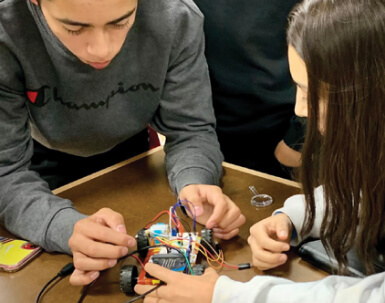
What’s Happening at iCode Chatham, NJ
Keep up with all the latest news and information about iCode Chatham, NJ and all the interesting things going on in the world related to STEM Education, Tech, Computer Science, Robotics and more!
What’s Happening
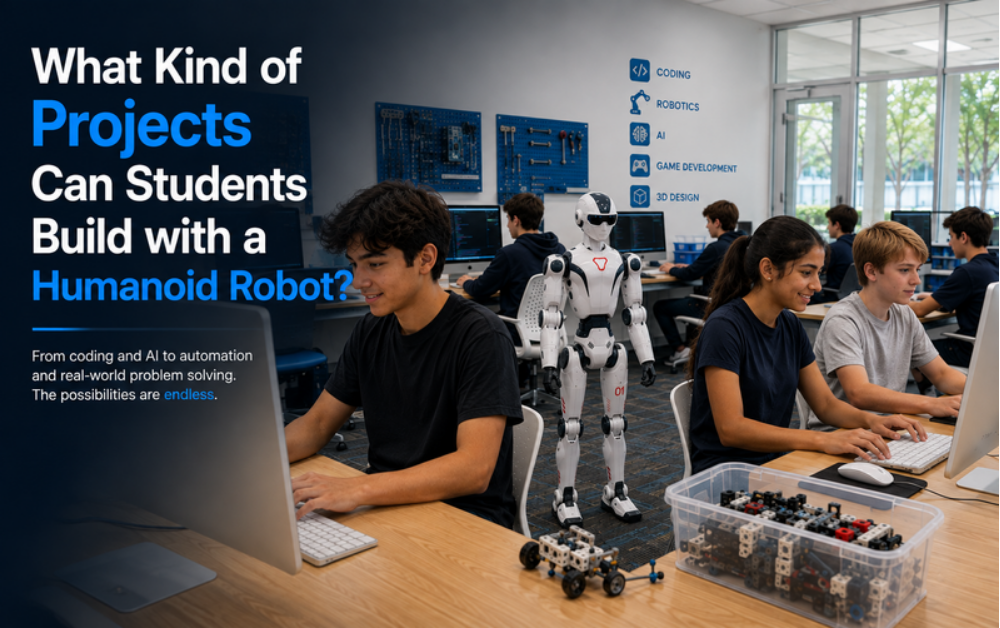
What Kind of Projects Can Students Build with a Humanoid Robot?
Chatham students are close enough to the pace of New York innovation to expect hands-on technology — and this program delivers exactly that. Working with a humanoid robot means building with it, not just watching it. Here's what that looks like in practice, from the first project to the most advanced. Projects That Involve People, Not Just Objects Building a Command-and-Response Project Some of the most popular student projects involve interaction — programming the robot to respond to a specific voice command or hand gesture with a matching action, like turning, waving, or stopping. Programming a Guided Walk-Through Students who want more of a challenge often build a tour-style routine — the robot follows a person or moves through a sequence of stops, using both its sensors and its movement programming together. Building Confidence Through Movement Programming a Robot to Walk and Balance The first project most students build is deceptively simple: get the robot to walk to a point and stop without toppling over. Underneath that simple goal is a real lesson in balance, timing, and how many tiny adjustments the robot's joints make with every step. Chatham, NJ Students Get Hands-On With All of This A Look at…
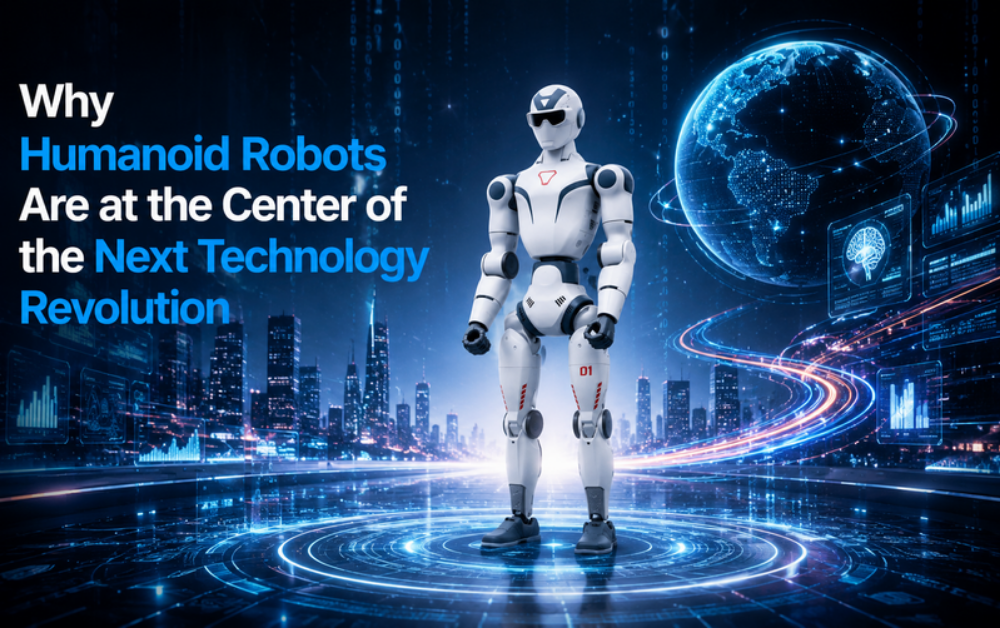
Why Humanoid Robots Are at the Center of the Next Technology Revolution
A short train ride from Manhattan, Chatham sits close enough to the pulse of innovation that its students are growing up expecting technology to keep moving. Screens dominated the last wave of technology. The next one has arms, legs, and a sense of balance. Humanoid robots are leaving research labs behind and showing up in classrooms, workplaces, and homes at a pace few expected. That change reaches far beyond any single industry. When machines can move and respond in physical space the way people do, it reshapes what is possible — and that is precisely why humanoid robots are driving the next technology revolution. Chatham, NJ Students Are Already Learning This Where This Learning Happens At iCode Chatham, students can explore this shift firsthand through the Youth Innovation Program, an eight-week, mentor-led course built around a real humanoid robotics platform. Students learn to program movement, sensing, and response — guided the whole way by mentors who teach the thinking behind the machine, not just the machine itself. When Software Gets a Body Learning by Doing, Not Just Watching Instructions typed into a computer stay abstract until something responds to them. A humanoid robot closes that gap immediately: a command becomes…
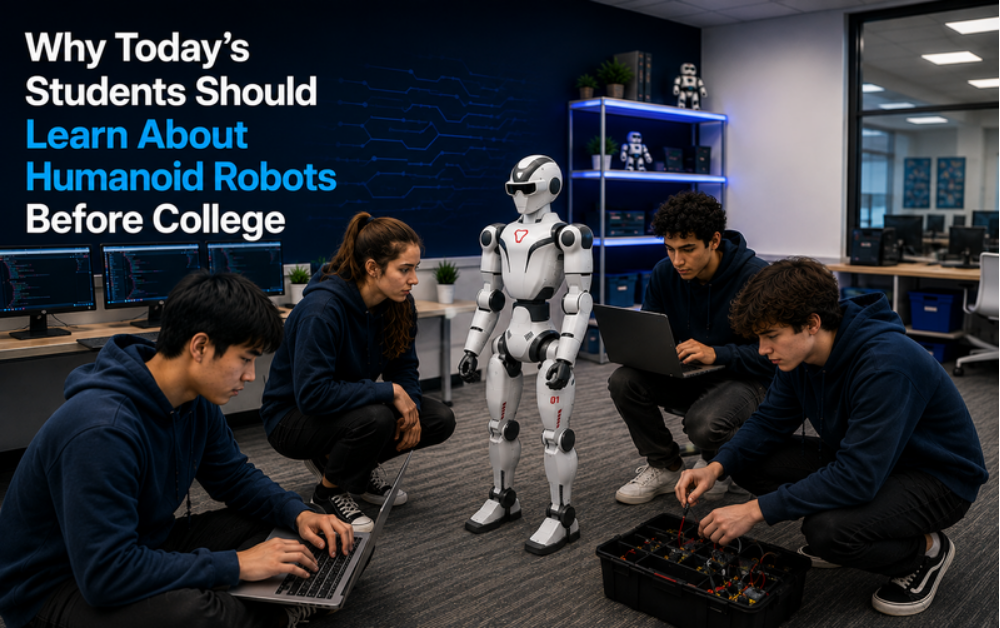
Why Today’s Students in Chatham, NJ Should Learn About Humanoid Robots Before College
Ten years ago, a walking, talking humanoid robot was something you saw in a movie, not something a middle schooler could program. That's no longer true. In Chatham, NJ — a town within easy reach of some of the Northeast's strongest research universities — students now have a chance to work directly with humanoid robotics before they ever fill out a college application. Why This Skill Set Matters Before College Applications Most students don't touch anything like this until their second or third year of an engineering degree, if they touch it at all. Getting hands-on exposure to it while still in middle or high school means a student walks into college application season with something most of their peers don't have: a real project, not just a class they sat through. Admissions officers read thousands of essays about "interest in STEM." A student who can point to a robotics team they were part of, a problem they debugged, or a project they presented stands out for a reason that has nothing to do with luck. The Skills That Actually Transfer Beyond Just Learning to Code Real coding experience: Students write and test actual Python and C++ code that controls…
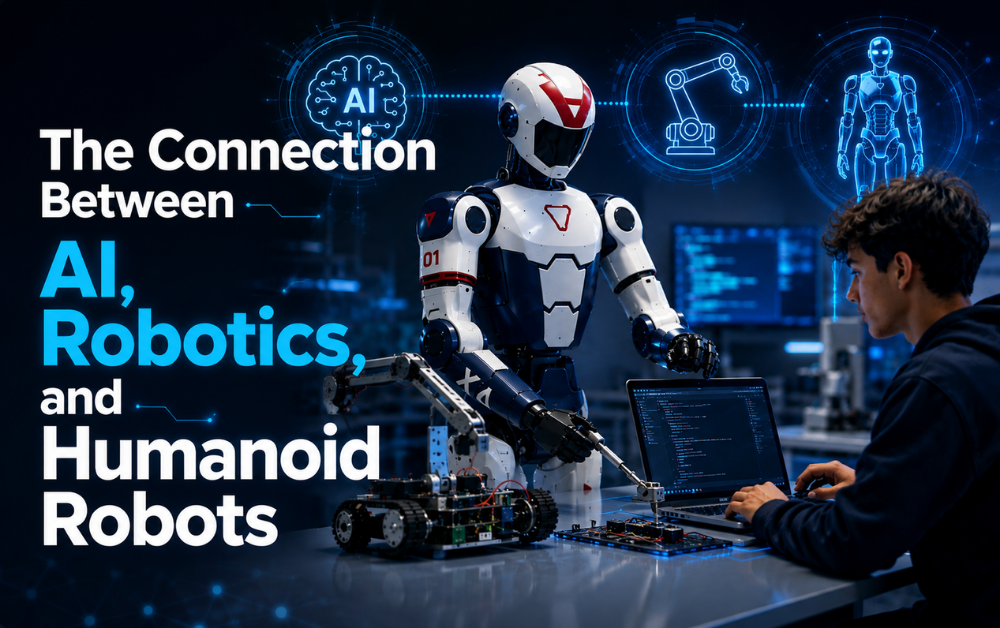
The Connection Between AI, Robotics, and Humanoid Robots — Explained for Chatham Students
New Jersey has a long research history behind some of the most important technology breakthroughs of the last century, and that same spirit of careful, hands-on experimentation lives on at iCode Chatham. Students here don't just read about how AI and robotics connect — they build the connection themselves, one working project at a time. What Is AI, Really? It's Pattern Recognition, Not Magic AI often gets talked about like it's mysterious, but the underlying idea is fairly down to earth: a program that improves at a task by processing large amounts of example data, rather than being told exactly what to do step by step. Recognizing a face, translating a sentence, predicting the next move in a game — all pattern recognition, just at a scale humans can't do by hand. What Is Robotics? The Physical Side of Smart Machines Robotics is engineering, not software — the actual hardware that lets a machine sense and move through physical space. Wheels, joints, cameras, and motors all fall under robotics. None of that hardware knows what to do with what it senses, though, until something else makes the decisions. How AI and Robotics Work Together AI Is the Brain, Robotics Is…
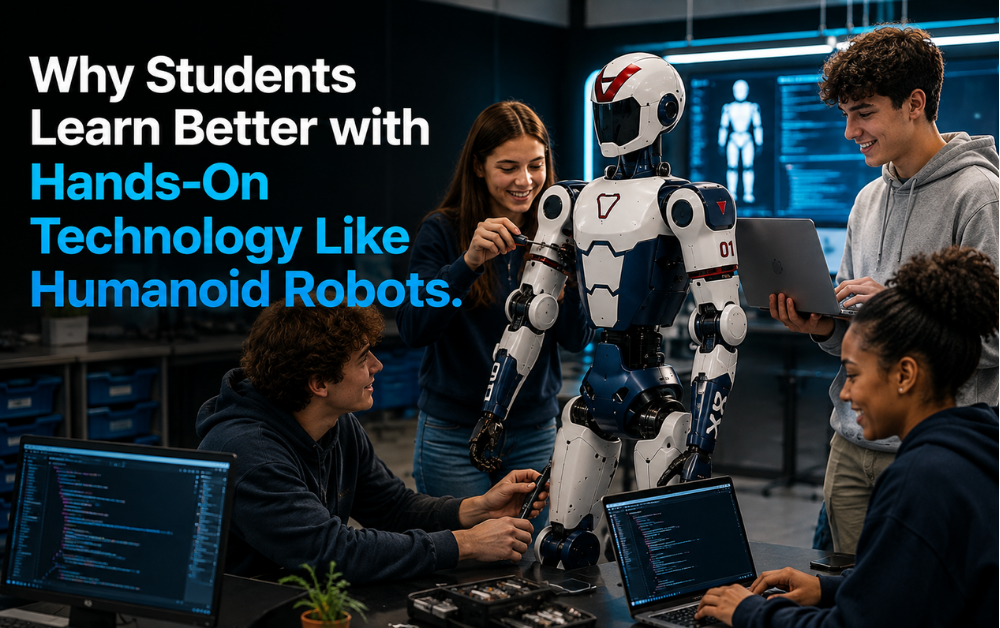
Why Students Learn Better with Hands-On Technology Like Humanoid Robots
Close enough to New York City to feel the pull of its finance, media, and biotech industries, Chatham students have plenty of examples of technical careers around them. What they don't always get is a chance to practice that kind of thinking themselves before adulthood. At iCode Chatham, that's exactly what hands-on learning provides. Students build with technology instead of just reading about it, and when that technology is a real humanoid robot, the lesson sticks far more than a lecture would. Why Doing Beats Watching This isn't just a preference for activity. Applying a concept produces stronger recall than simply hearing about it, since doing something forces the brain to process it differently than passive listening does. That's built into every session of the Youth Innovation Program, where concepts get tested by hand, not just explained. A student who only hears how two robotic arms coordinate might remember a term for a quiz. A student who writes the code, watches one arm lag behind the other, and figures out why remembers it for years. A Robot That Doesn't Cooperate (At First) Here's what that looks like in practice. A student is programming the robot's two arms to work…

The Evolution of Humanoid Robots: From Science Fiction to STEM Education
Close Enough to See the Future Being Built Chatham families are close enough to New York City to feel the pull of its finance, media, and biotech industries, all of which are being reshaped right now by automation and AI. A program that puts a real humanoid robot in front of a teenager isn't a detour from that world — it's an early, hands-on look at the technology already changing it. Meet the Robot At iCode Chatham, that robot is the Unitree R1 EDU — 25 kilograms, up to 40 degrees of freedom, an onboard NVIDIA Jetson Orin AI computer running at 100 trillion operations per second, and 3D LiDAR paired with depth cameras for sensing its surroundings. Students program it directly in Python and C++ through ROS 2, the same framework used by professional robotics teams. Building With Both Hands A project might ask a student to program the robot's two arms to work together, stacking several small blocks into a stable tower. It's harder than it sounds — timing one arm against the other, accounting for how the stack shifts with each addition. The first few attempts usually topple. Rather than fixing the code for the student, a…
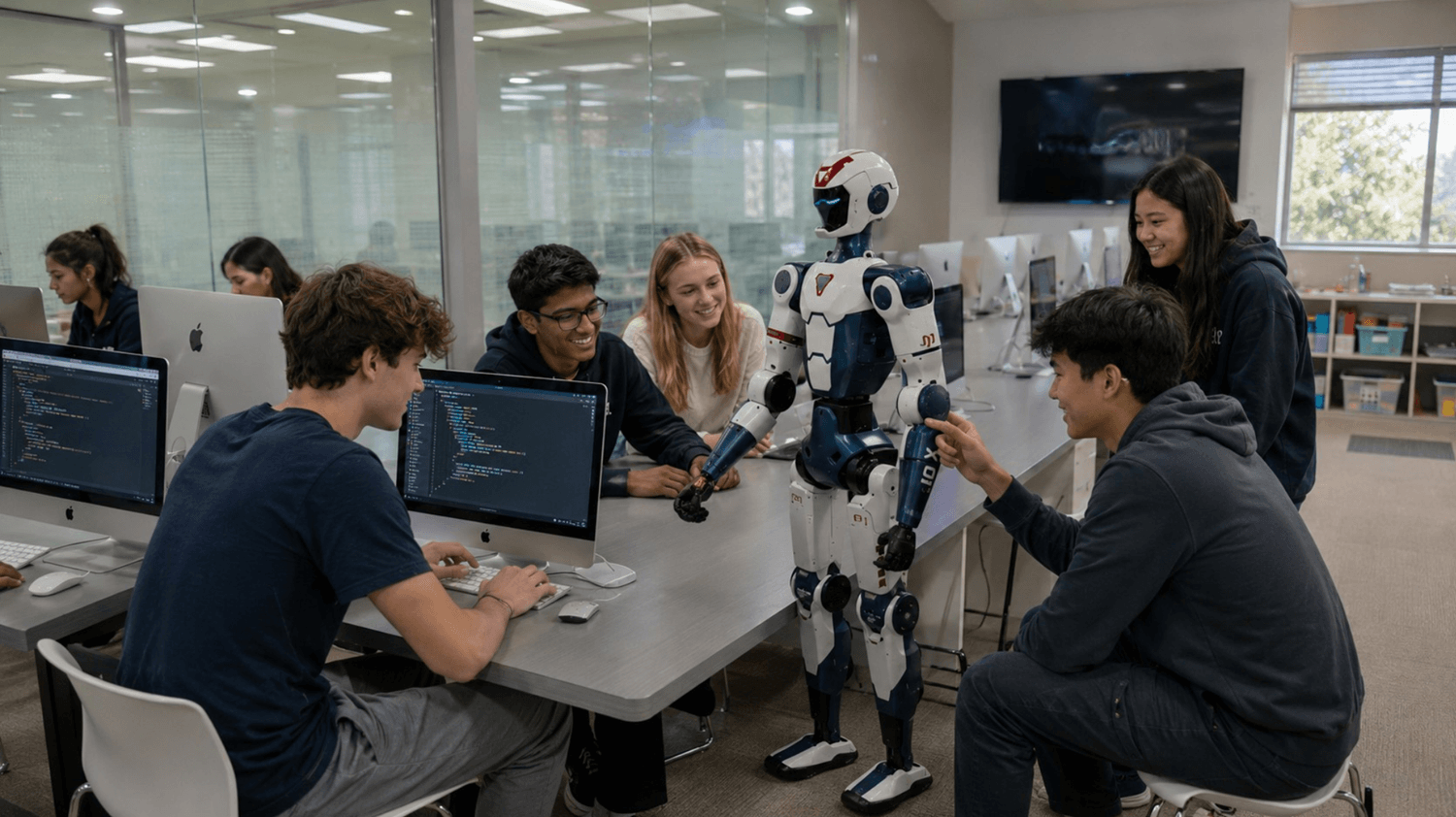
Why Learning Humanoid Robotics Can Prepare Kids for the Future
Parents today are preparing their children for a future that looks very different from the one they grew up in. Artificial intelligence, automation, and robotics are already transforming industries across the world, and tomorrow’s students will need more than traditional computer skills to succeed. From healthcare and engineering to transportation and entertainment, intelligent technologies are becoming part of everyday life. That is why more families in Chatham, NJ are exploring STEM and robotics programs that help students build confidence with emerging technologies early. At iCode Chatham, students are introduced to coding, robotics, AI concepts, and hands-on problem-solving in a way that makes learning engaging, creative, and future-focused. Humanoid Robotics Is Coming to iCode Chatham This Summer This summer, students at iCode Chatham will have the opportunity to explore one of the most exciting developments in modern STEM education as Unitree R1 humanoid robots arrive on campus. The Unitree R1 represents a new generation of educational robotics platforms designed to help students experience artificial intelligence, robotics, engineering, and real-world automation in a hands-on environment. Unlike traditional classroom technology, humanoid robots create interactive learning experiences where students can see coding and engineering concepts come to life through movement, balance, sensors, and intelligent…

iCode Chatham – May 2026 Newsletter
May 13, 2026 Welcome to Our May Update May has been a milestone month for iCode Chatham, and we are just getting started. From officially cutting the ribbon on our campus to hosting Girl Scouts for a hands-on robotics event, our community is coming alive in ways that remind us every day why we built this center. We are grateful for the warm welcome Chatham has given us, and we cannot wait to share what is coming next. 🎀 We Are Official — Ribbon Cutting with Mayor Dempsey Ribbon cutting ceremony with Mayor Carolyn Dempsey, May 2 On May 2, we had the honor of welcoming Chatham Borough Mayor Carolyn Dempsey to 246 Main Street for our official ribbon cutting ceremony. It was a proud moment for our team and a meaningful symbol of what iCode Chatham represents — a long-term investment in this community and in the young people who will shape its future. Thank you to Mayor Dempsey and everyone who joined us for this special occasion. We are thrilled to be part of Chatham. 🎉 Grand Opening — Saturday, May 16 | 12:30–5:30 PM Mark your calendar — our Grand Opening is this Saturday, May 16, and…
iCode Chatham – March 2026 Newsletter
March 4, 2026 Welcome to Our March Update Construction at our permanent home at 246 Main Street is in full swing, and we are cautiously optimistic that the facility will be ready for occupancy by mid-April. We are targeting a grand opening celebration in early May — a great opportunity for you to see the space firsthand, meet our instructors, and learn about everything iCode Chatham has to offer. We will be sending out a dedicated communication with all the details as we get closer, but please help us spread the word. In the meantime, we continue to offer free trial classes every weekend at St. Paul's Episcopal Church, 200 Main Street, Chatham. Once our center opens in April, the number of available trial class slots will increase substantially. If you have been waiting for the right time to try a class, that moment is coming soon. Book a free trial class to reserve your spot. Summer 2026 Camps — Now Available! Summer camp registration is open! We have listed 20 camps, each one week long, for the upcoming summer. They are curated to provide a breadth of STEAM experiences. Each camp runs full-day from 9:00 AM to 3:00 PM…