


The Right Age to Learn Coding: Everything that You Need to Know
Children today grow up with video games, phones, tablets, and other electronic gadgets. Your children are most certainly computer literate.
And as technology becomes more integrated into daily life, the interest in coding for kids has grown significantly in recent years. Learning new concepts comes much easier to children and introducing coding young is vital to ensure they develop a lifelong interest in this area, opening up a world of possibilities for them throughout their lives.
What Is Coding?
Coding, also known as computer programming or development, is a creative process in which computers are “trained” to do different jobs. This is accomplished through code, a collection of instructions that a computer needs to perform a task.
How Early Can Kids Learn to Code?
The world of technology is growing at a rapid pace. In every manner, technology is transforming the way we live our lives. The internet and smartphones have transformed us into tech-savvy individuals.
Children’s education needs to evolve in the same way. They need to get accustomed to new skills that lead them to a bright future.
According to MIT, kids as young as 5 to 7 years old can learn coding languages. This is their most productive period when they start learning things at an enhanced rate and can adapt quickly to new things and concepts.
Why Should Kids Learn How to Code?
The idea of children learning to code first surfaced a few years ago, but it has since evolved into something that we now realize is essential.
Some people may wonder why this is such a big deal. The answer is simple: The world is changing, and students need to be prepared for these changes.
In the not-so-distant future, children will be living in a world where technology plays a massive role in everyday life. Even today, everything from phones to cars, TVs, and even refrigerators are connected. It’s easy to see how coding could help kids learn how these and other devices work and prepare them for careers in various industries.
After all, if there’s one thing we know about the future of technology, it’s that individuals who train themselves in these skills will have plenty of career opportunities.
Four Reasons to Get Your Kids into Coding
While there are multiple reasons why your kid should start learning to code right away, let’s take a look at the top 4:
1. Coding for Kids Teaches Problem-Solving
When coding, rarely do things go exactly as planned the first time. Programmers must examine the code for issues or mistakes and figure out what is needed to achieve the desired result. Thinking creatively and logically are both vital to becoming a successful programmer.
2. Coding for Kids Helps Children Develop Resilience
During code examination and ‘debugging,’ children learn to bounce back after each setback and in the best possible way. They learn to accept errors and learn from them rather than giving up. They can also learn that failure is necessary for progress since it provides learning.
3. Coding for Kids Teaches Children How to Think
Steve Jobs once famously stated, “A computer is a bicycle for your mind.” Computer programming has less to do with entering lines of code and more with your ability to think. For instance, programmers frequently examine a significant problem and then break it into smaller pieces to tackle it efficiently.
4. Computer Programming is the Future
Coding is utilized by many businesses, not just the technology industry; therefore, coding is quickly becoming an essential skill in today’s society. Teaching kids to code ensures them more job options in the future, be it in health care, technology, finance, retail, or even entertainment.
Get Started with Coding for Kids: Enroll in Coding Class Today
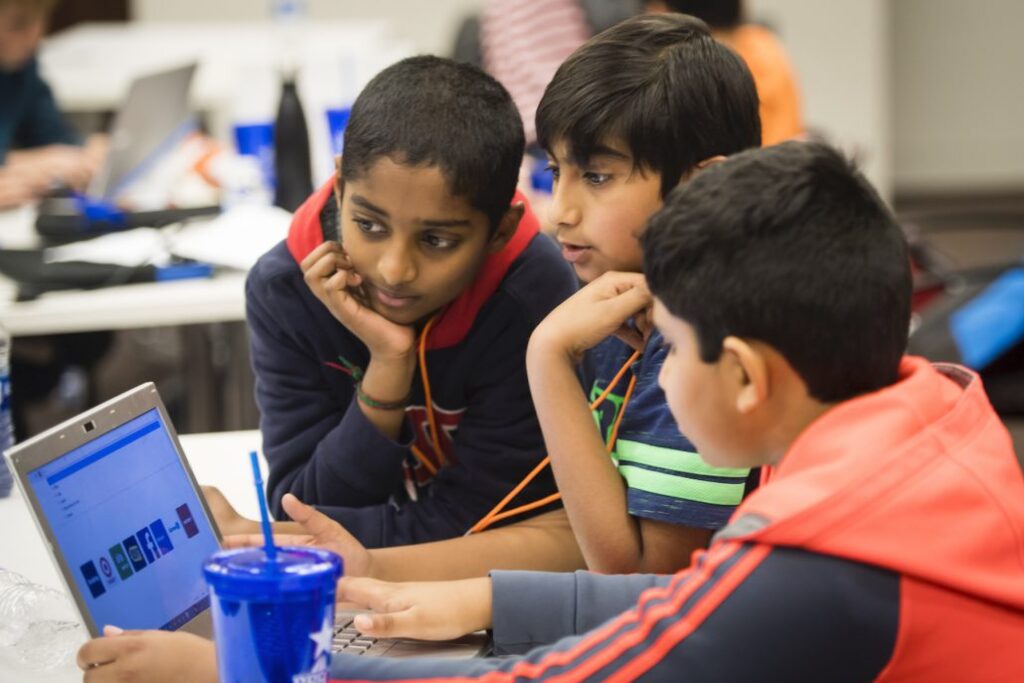
If you’re interested in coding for kids, iCode School is an excellent choice. iCode is a leader in onsite coding and STEM education. They specialize in hands-on, project-based learning with knowledgeable instructors leading students through their comprehensive, proprietary curriculum. Oh ya….it’s a lot of FUN too!
What are you waiting for? Enroll your kid in iCode School today!
Recommended Blogs
Why Minecraft Is More Than Just a Game for Kids
Minecraft is often seen as just another video game, but for many children, it’s much more than that. Beneath its blocky graphics lies a powerful platform that encourages creativity, problem-solving, and even early coding skills. For parents trying to balance screen time with meaningful learning, Minecraft offers a unique opportunity to turn play into productivity. A Digital Sandbox for Creativity Unlike traditional games with fixed goals, Minecraft gives children complete freedom to build and explore. Whether it's constructing cities, designing machines, or recreating real-world landmarks, kids are constantly using their imagination. This type of open-ended play helps develop: Creative thinking Spatial awareness Planning and design skills Problem-Solving in Action Minecraft challenges kids to think critically. From gathering resources to surviving in different environments, players must make decisions, test ideas, and adapt quickly. These experiences help children develop: Logical reasoning Decision-making skills Persistence through trial and error Collaboration and Teamwork In multiplayer mode, kids can work together on projects, solve challenges, and build shared worlds. This encourages: Communication skills Teamwork Leadership Introduction to Coding Concepts Minecraft also introduces basic coding logic through features like Redstone (in-game circuits) and modding. Kids begin to understand: Cause and effect Sequences and logic Basic automation…
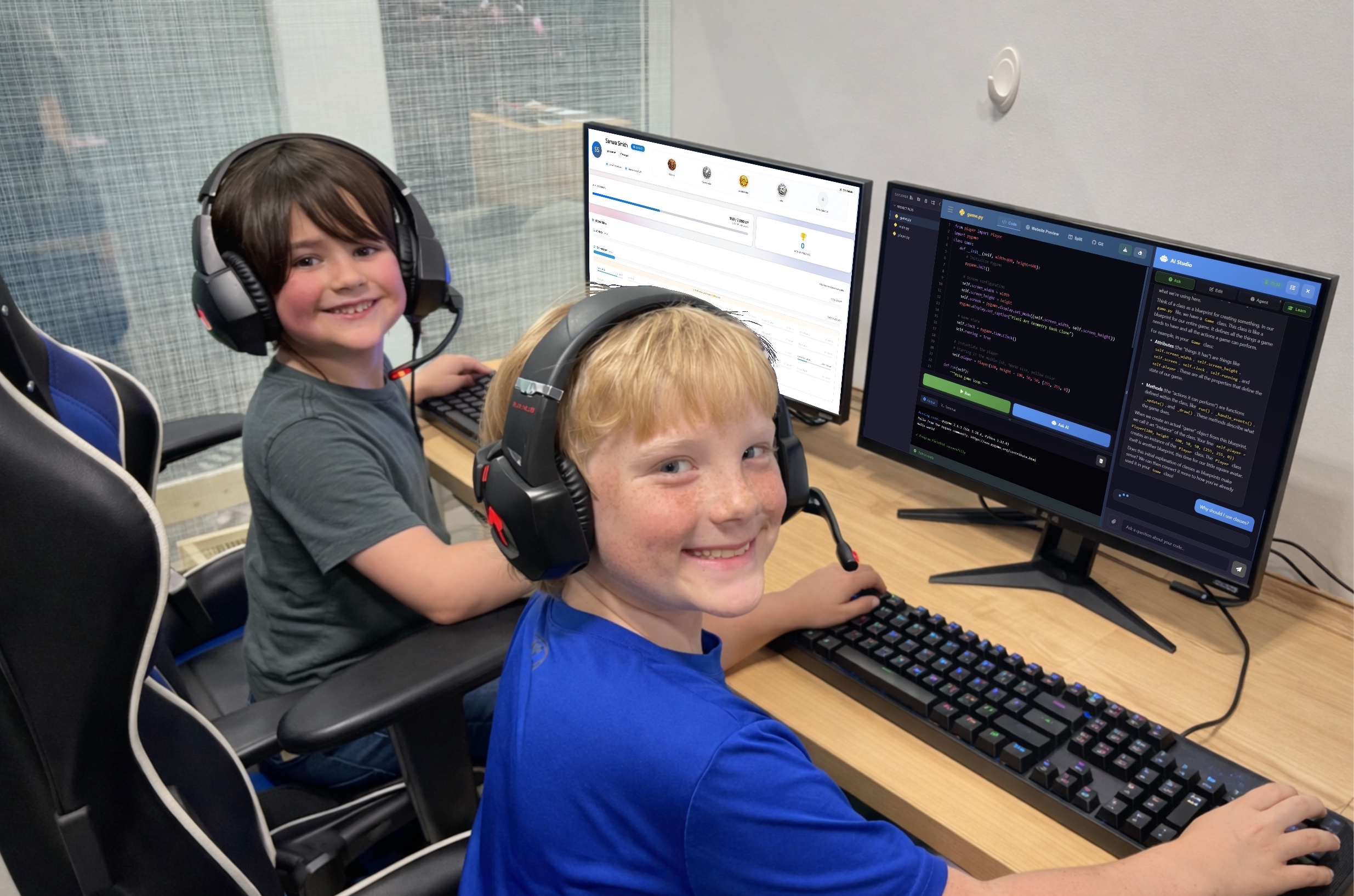
How To Improve the Use of AI in Education
Artificial intelligence is already in your child's classroom, whether you realize it or not. Adaptive math apps, grammar-checking tools, automated grading systems, and AI-powered tutoring bots have quietly become fixtures of the modern educational landscape. But here's something most parents don't hear: schools are barely scratching the surface of what AI can actually do for learning. The gap between how AI is being used and how it could be used is where the real opportunity lies for your child. How AI Is Being Used in Education Right now, most schools use AI in fairly basic ways. The most common applications include: Adaptive learning platforms like Khan Academy and DreamBox adjust difficulty based on student performance. Automated grading for multiple-choice tests and some written assignments. Plagiarism detection tools like Turnitin. AI tutoring chatbots that answer student questions on demand. These are helpful tools and represent genuine progress, but most of these applications treat AI as a faster version of what already existed. Adaptive software is a smarter worksheet. Automated grading is a faster teacher's aide. Chatbot tutors are searchable textbooks with better conversation skills. The way most schools deploy AI is reactive. It responds to what a student does, but it…

Kids and Technology: Why Monitoring Matters More Than Ever
Helping parents guide screen time with safety, boundaries, and balance Technology isn’t “coming.It’s already here - in your living room, in your child’s backpack, and sometimes even under their pillow at night. Kids use tablets for homework, watch YouTube for entertainment, and play games that let them build, explore, and connect with others. When used intentionally, technology can build creativity, confidence, and real-world skills, especially in structured programs like our coding classes for kids — technology can build creativity and confidence. But here’s the reality: Children are stepping into digital spaces that were not designed with childhood in mind. As Spider-Man wisely said, “With great power comes great responsibility.” That applies to superpowers — and it absolutely applies to devices, apps, and online platforms. Monitoring isn’t about fear.It’s about guidance. Monitoring Isn’t Spying, It’s Parenting in a Digital World When parents hear the word monitoring, it can sound extreme.Reading every message. Hovering constantly. Controlling every click. That’s not what healthy digital parenting looks like. Monitoring simply means staying involved. It looks like: Knowing what games and apps your child uses Understanding what features are turned on (especially chat and friend requests) Checking in consistently, not just once every few months…