
From Screen Time to Skill Time: What Fishers Kids Build When Gaming Meets Coding
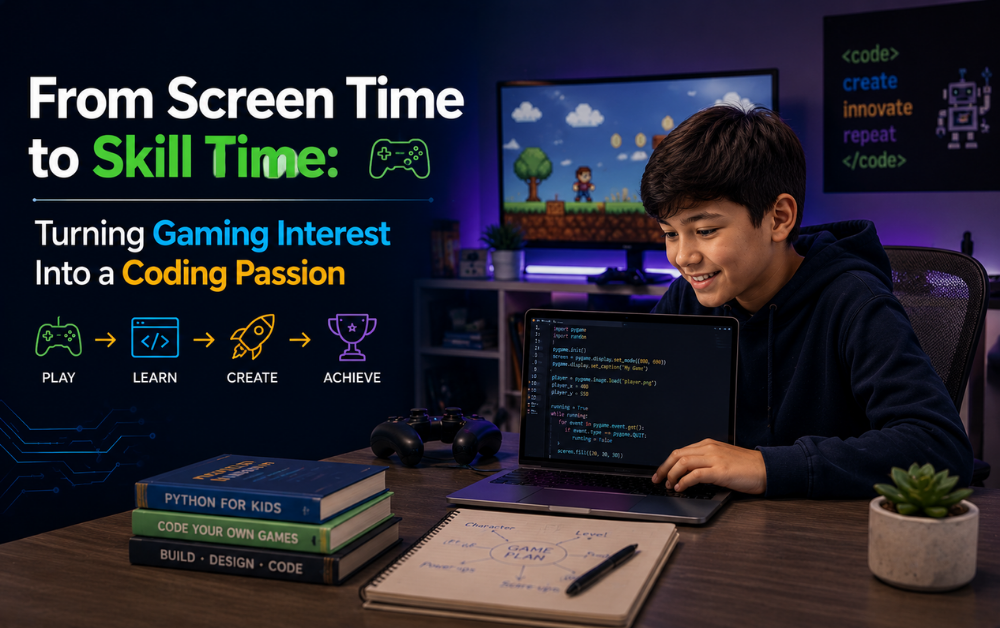
Fishers consistently ranks among the best places to raise a family in the country, and part of that reputation comes from a community that takes youth activities seriously — sports, academics, and increasingly, competitive gaming and esports. At iCode Fishers, that same energy gets pointed toward building games instead of just playing them.
It’s a shift that surprises a lot of parents — coding class turns out to be the thing their gamer was actually waiting for.
From Player to Creator: The Mindset Shift That Sticks
Parents often look for a productive alternative to screen time without a clear option. This class offers exactly that — kids stay just as engaged with games, but now as builders instead of players. The underlying skills (logic, patience, iterative problem-solving) transfer directly into schoolwork and other areas of life.
It’s a shift in relationship to the screen, not just a reduction in time spent — and that distinction tends to matter more to Fishers families than raw hours.
Why Kids Who Love Gaming Make Natural Coders
Every game runs on code — physics, character movement, scoring systems, level design. Kids who already spend hours immersed in a game world have an intuitive feel for how these systems connect, even without knowing it. Instructors build directly on that instinct, showing students the logic behind the games they already love.
Building Their Own Game Is a Different Kind of Fun
There’s a real difference between finishing someone else’s level and building your own from scratch. Students start small — basic movement, simple scoring — and add complexity as their skills grow. Watching their own character move correctly on screen for the first time is usually a genuine, memorable moment.
From Consumer to Creator
That shift changes how kids engage with games generally. A student who’s built even a simple game starts noticing design choices in every game they play afterward — why a level is laid out a certain way, why a character controls the way it does.
How This Builds Over a Full Semester
Projects grow in complexity across the semester, moving from simple mechanics to multi-level games with real design decisions behind them. That kind of steady, visible progression fits naturally in a community like Fishers, where families are used to tracking real growth over time in everything from sports to academics.
Most instructors can point to a specific project where a student’s approach visibly shifted — from wanting to finish quickly to wanting to get it right. That change tends to be what families remember most.
By the end of a semester in Fishers, the games themselves look noticeably more ambitious than where a student started — but the bigger change is usually in how calmly they approach the next thing that breaks, on a screen or off one.
The class also builds in regular chances for students to show off what they’ve built to the group, which adds a layer of confidence on top of the technical skill — explaining your own game out loud is a different challenge than just finishing it.
Frequently Asked Questions
My child already spends a lot of time gaming — will this class add to that?
It redirects the same interest toward building instead of just playing, which is a meaningful shift most families notice quickly.
Does my child need coding experience to start?
No — classes start from the basics, and a genuine interest in gaming is a better foundation than prior coding experience.
What kinds of games do students build?
Projects start simple, like mazes and basic platformers, and grow more complex as skills develop over the semester.
How quickly will I notice a change in how my child engages with games?
Many Fishers families notice a shift within the first few weeks — kids start talking about how games are built, not just what they’re playing.
Does my child need their own gaming setup or console for this class?
No — all the equipment used in class is provided, and no outside gaming setup is required to participate or succeed.
Visit iCode Fishers
Want to see the shift from player to creator in person? Check schedules at iCode Fishers and book a trial class for your child.