
Why Robotics Competitions Help Kids Succeed in School
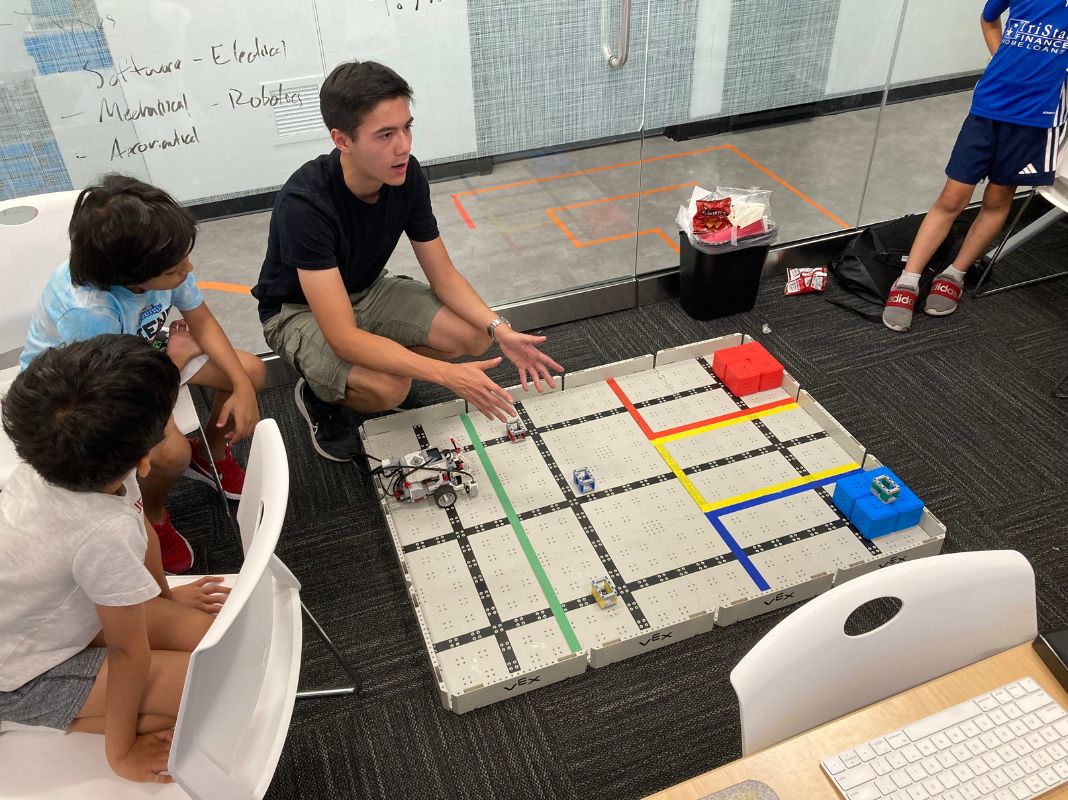
In Fishers, where education, innovation, and community growth go hand in hand, more families are turning to robotics programs to give their kids an academic edge. A common question still comes up: do robotics competitions actually help in school, or are they just another extracurricular?
The answer is simple. Robotics competitions combine hands-on learning with real-world application, helping Fishers students strengthen the skills they use every day in the classroom.
Learning by Doing
Fishers is known for its strong schools and focus on STEM education. Robotics competitions build on that by getting students actively involved in creating and testing their ideas.
Through this process, students:
- Understand concepts more deeply
- Retain information longer
- Apply classroom learning in real-world scenarios
This kind of experiential learning helps students move beyond memorization and truly understand what they are learning.
Strengthening Problem-Solving Skills
In robotics competitions, things rarely go perfectly the first time. Whether students are preparing for local school events or regional competitions around the Indianapolis area, they quickly learn how to think critically.
They regularly:
- Identify issues in design or coding
- Test multiple solutions
- Improve their work through iteration
These problem-solving skills directly support academic success, especially in math, science, and technology-related subjects.
Teamwork and Communication
Fishers students are often involved in collaborative learning environments, and robotics competitions take those skills to the next level.
Students learn to:
- Communicate ideas clearly and effectively
- Work together to solve complex challenges
- Take initiative and develop leadership skills
These abilities are essential not only for school projects but also for future academic and career opportunities.
Connecting STEM to Real Life
Robotics helps students in Fishers see how what they learn in school connects to real-world applications.
They begin to understand:
- How math is used in coding, measurements, and design
- How science plays a role in how machines function
This makes STEM subjects more engaging and relevant, increasing student interest and participation.
Building Confidence
Successfully building a robot or competing in an event gives students a strong sense of achievement.
This often leads to:
- Increased classroom participation
- Greater confidence in tackling challenging subjects
- A more positive and growth-oriented academic mindset
Final Thoughts
For families in Fishers, robotics competitions are more than just an after-school activity. They help students build critical skills, boost confidence, and develop a deeper understanding of STEM, all of which contribute to stronger performance in school and long-term success.