

What’s Happening
What’s Happening

Why White Belt Is a Great Starting Point for Young Coders at iCode Ravenswood 🚀💻
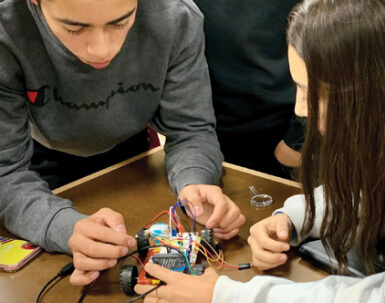
If you’re looking for a hands-on STEM program for kids in Chicago, iCode Ravenswood’s White Belt Program gives students ages 7–11 an engaging introduction to coding, robotics, computational thinking, and creative problem-solving. White Belt is one of our most successful programs because it gives students the chance to move from simply using technology to actually creating with it. Through VEX IQ robotics, Scratch programming, sequencing, and hands-on challenges, students learn how to build, test, troubleshoot, and improve their ideas while developing confidence along the way. 🧠More Than Coding One of the biggest benefits of White Belt is that students are learning skills that extend well beyond the screen. They practice persistence when something does not work the first time, collaboration when working with classmates, and logical thinking as they break larger problems into smaller steps. Those moments matter. A student who once said, “I don’t know how to do this,” may begin asking, “What should I try next?” That shift in confidence and independence is an important part of the iCode learning experience. 💡A Hands-On Introduction to STEM White Belt keeps learning active. Students are not sitting through long lectures or simply following instructions on a screen. They are building…

5 Books to Read Together When Your Child Is Feeling Anxious
Top 5 Books to Read Together When Your Child Is Feeling Anxious 🫂📚 Children carry worries, too. A new activity, an unfamiliar group, or the fear of making a mistake may feel overwhelming. That is why we are training our instructors to recognize when anxiety unexpectedly enters the classroom and respond with patience, encouragement, and practical support. If your little person experiences big worries, these books may help you start the conversation: Our top 5: 📘 Stanley Will Probably Be Fine by Sally J. Pla Stanley is an anxious kid who loves comics and gets thrown into some very real-life challenges. A relatable story about anxiety, friendship, and finding the courage to keep going. 📕 Guts by Raina Telgemier This graphic novel follows Raina as she navigates anxiety, friendships, family, and the physical symptoms that can come with worry. A particularly relatable pick for kids who sometimes feel anxious without knowing exactly why. 📓 The Anxiety Workbook for Teens by Lisa M. Schab, LCSW A practical workbook designed to help teens understand anxiety and develop strategies for managing it. It's a more hands-on option for older kids who want tools they can actually practice. 🌈 No Worries by Lily Murray A gentle,…
Curious About iCode Ravenswood’s Belt Programs? Start Here.
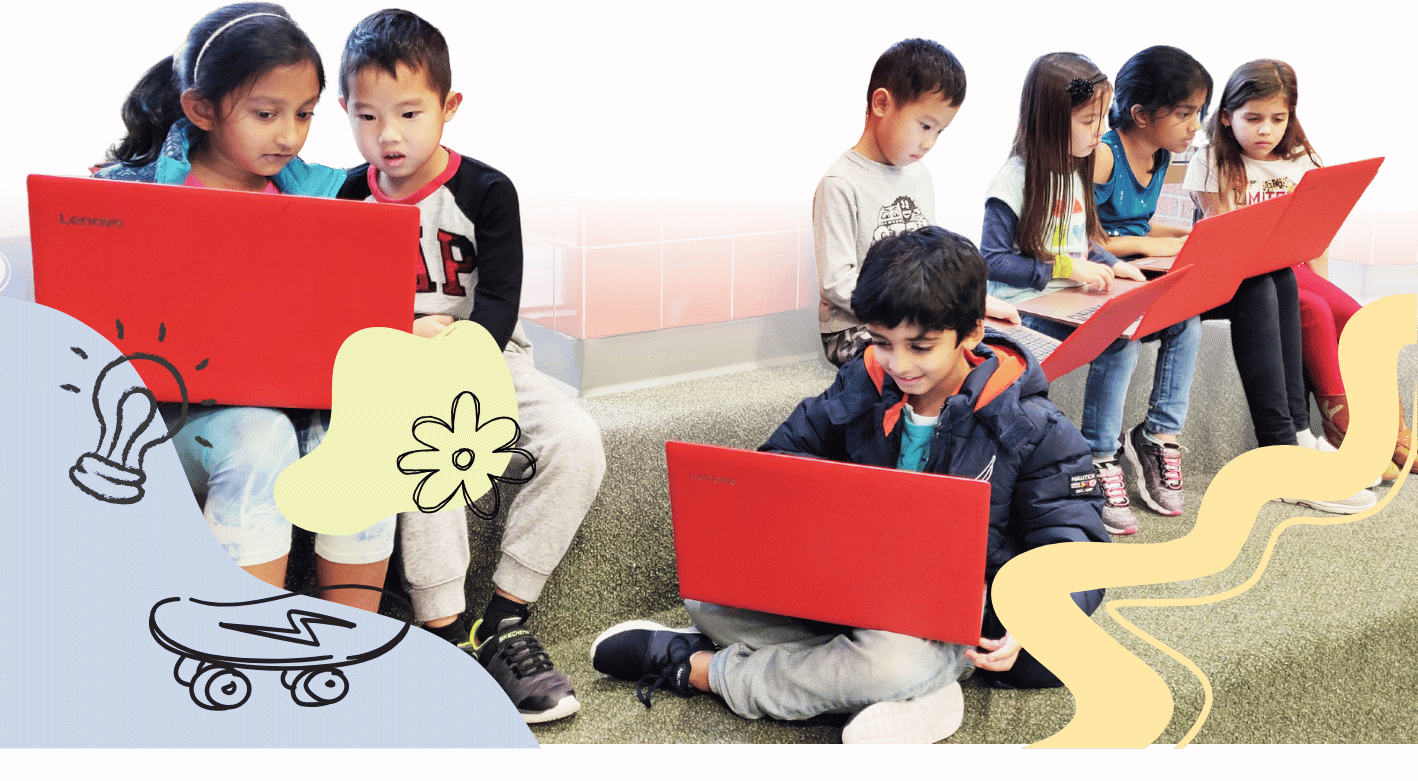
🤖 Curious About iCode Ravenswood’s Belt Programs? Start Here. Parents often have a few questions when they first hear about our Belt Program. Here are some of the ones we hear most often. 👇🏾 🤔 What is a Belt? Think of a Belt as your child’s learning level and pathway at iCode. Each Belt introduces age-appropriate STEM skills and builds on what students have already learned, so they can continue growing in coding, robotics, game design, engineering, and problem-solving. As students gain confidence and experience, they can progress into more advanced Belts. 🧸 My child is six and has never done STEM before. Where should they start? STEM Jr. is designed for younger children who are ready to explore coding, robotics, engineering, and problem-solving in a fun, hands-on way. Students build, experiment, and learn through activities that feel playful and approachable. It is a great starting point for curious kids who love asking questions and making things. 🤖 My child loves robots and working with his hands. Which Belt should I look at? White Belt is a favorite for kids who enjoy building and figuring out how things work. Students use robotics and coding to learn sequencing, logic, engineering, and…

Beyond ‘How Was School?’: 10 Questions to Get the Conversation Going
You ask: “How was school?” They answer: “Good.” You try again: “What did you do today?” “Nothing.” Sound familiar? 😅 After spending hours apart, it’s natural to want to hear about your child’s day. But sometimes a big, general question can be hard for kids to answer, especially after a long day of listening, learning, socializing, and following directions. As families head back to school, here are 10 questions you can keep in your back pocket when you want to hear a little more than “fine.” 😂 1. What Made You Laugh Today? Start with something fun. Instead of asking your child to summarize an entire school day, this gives them one specific moment to think about. And sometimes one funny story leads to another. 🌟 2. What Are You Proud of Today? Maybe they got an answer right. Maybe they tried something difficult. Maybe they helped a friend. This question gives kids a chance to recognize their own wins, including the little ones. 🧠 3. What Was the Most Interesting Thing You Learned? Notice we didn't ask what the teacher taught. What your child found interesting might be completely different, and their answer could give you a glimpse into…
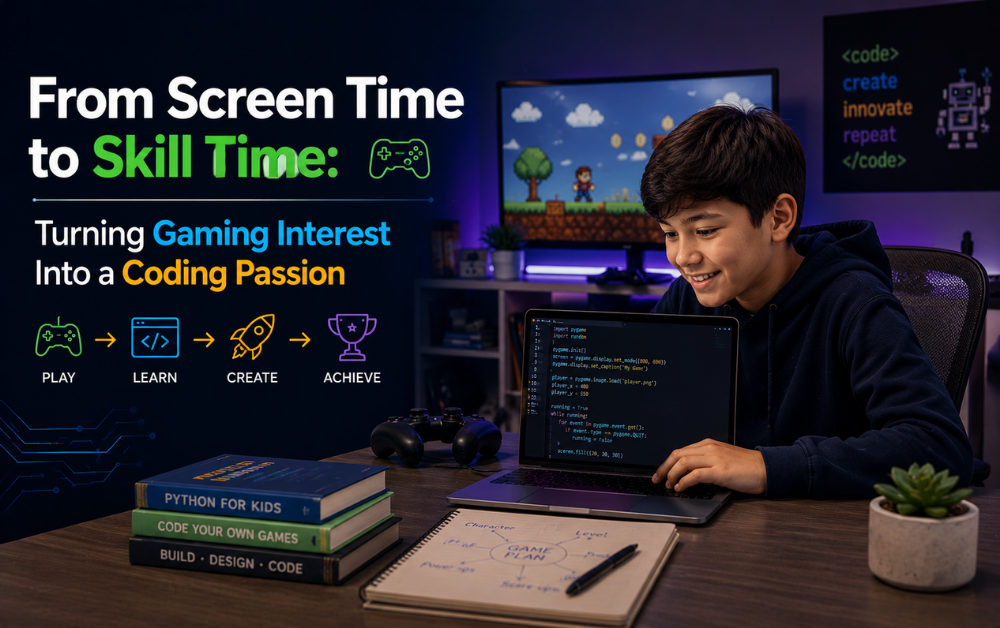
From Screen Time to Skill Time: What Ravenswood Kids Build When Gaming Meets Coding
Ravenswood has a strong creative streak — the neighborhood is full of artists, makers, and small studios, and that same maker energy shows up at iCode Ravenswood. Kids who love gaming aren't just entertained here; they're introduced to the actual craft behind the games they play. In a neighborhood that already values hands-on creative work, building your own game fits right in alongside painting, music, and design. From Player to Creator: The Mindset Shift That Sticks Parents often look for a productive alternative to screen time without a clear option. This class offers exactly that — kids stay just as engaged with games, but now as builders instead of players. The underlying skills (logic, patience, iterative problem-solving) transfer directly into schoolwork and other areas of life. It's a shift in relationship to the screen, not just a reduction in time spent — closer to the same shift Ravenswood's creative community already makes between consuming art and making it. Why Kids Who Love Gaming Make Natural Coders Every game runs on code — physics, character movement, scoring systems, level design. Kids who already spend hours immersed in a game world have an intuitive feel for how these systems connect. Instructors build…
The Best Podcasts & TV Shows for Raising Emotionally Strong Kids
As parents, we spend a lot of time helping our children grow academically. We celebrate good grades, cheer on accomplishments, and encourage them to keep learning. But one of the most important skills children develop has nothing to do with math, reading, or coding. It's learning how to understand and manage their emotions. Emotional regulation helps children navigate friendships, work through frustration, communicate effectively, and bounce back from challenges. Like any skill, it develops over time with practice, guidance, and positive role models. The good news? There are some incredible podcasts and shows that can help reinforce those lessons in a fun and engaging way. Here are a few of our favorites. 🎧 Peace Out Best for Ages: 5–10 Peace Out combines short stories with breathing exercises and mindfulness techniques to help children calm their minds and bodies. Whether it's before bedtime, after a busy school day, or during a stressful moment, each episode encourages kids to slow down, focus on their breathing, and recognize their emotions in healthy ways. Why we like it: It gives children practical tools they can use anytime they feel overwhelmed. 📺 Stillwater Best for Ages: 5–10 Based on the beloved children's books, Stillwater follows…
Gaming Platforms vs. Creator Platforms: Why We Use Roblox Studio & Minecraft Education
One of the most common questions we hear from parents is: "What's the difference between Roblox Studio and Roblox?" or "Is Minecraft Education the same as regular Minecraft?" It's a great question, and the answer is actually quite simple. While the names sound similar, they're designed for completely different purposes. At home, many students use Minecraft and Roblox to play games, explore worlds, and have fun with friends. At iCode, we use Minecraft Education and Roblox Studio to help students become creators. They learn to build, design, code, solve problems, and bring their ideas to life in safe, instructor-led environments. The difference isn't just in the software. It's the difference between playing and creating. 🎮Gaming Platforms vs. Creator Platforms Gaming platforms are designed primarily for entertainment. Players explore worlds, complete challenges, and enjoy experiences created by others. Creator platforms shift students from playing games to understanding how they're made. Instead of simply consuming technology, students begin creating with it. Whether they're designing a game, building a virtual world, or writing their first lines of code, they're developing creativity, critical thinking, problem-solving, and confidence along the way. 🤖Roblox vs. Roblox Studio Roblox is the platform where players can enjoy millions…
🎮 Learning That Feels Like Fun
Our Favorite Games for Growing Young Minds When most people think about video games, they think about entertainment. At iCode, we like to look a little deeper. Some games do much more than keep kids occupied. They encourage planning, problem-solving, creativity, persistence, and critical thinking. Best of all, kids are developing these skills while doing something they genuinely enjoy. Here are a few of our favorite games and the real-world skills they're helping kids build. ⛏️ Minecraft At first glance, Minecraft looks like a game about placing blocks. Look a little closer, and you'll see kids following the same design process engineers use every day. Every project starts with an idea. Then they: 📝 Make a plan 🏗️ Build 🧪 Test their ideas 🔄 Redesign and improve Whether they're building castles, roller coasters, Redstone machines, or automatic farms, they're constantly learning through trial and error. That's the Engineering Design Process, the same approach engineers use to design bridges, buildings, machines, and new technology. 💡 What they're really practicing Planning before building Testing ideas Learning from mistakes Improving designs Creative problem-solving 🎮 Roblox Studio Many kids dream about creating their own video game. What many parents don't realize is that game…
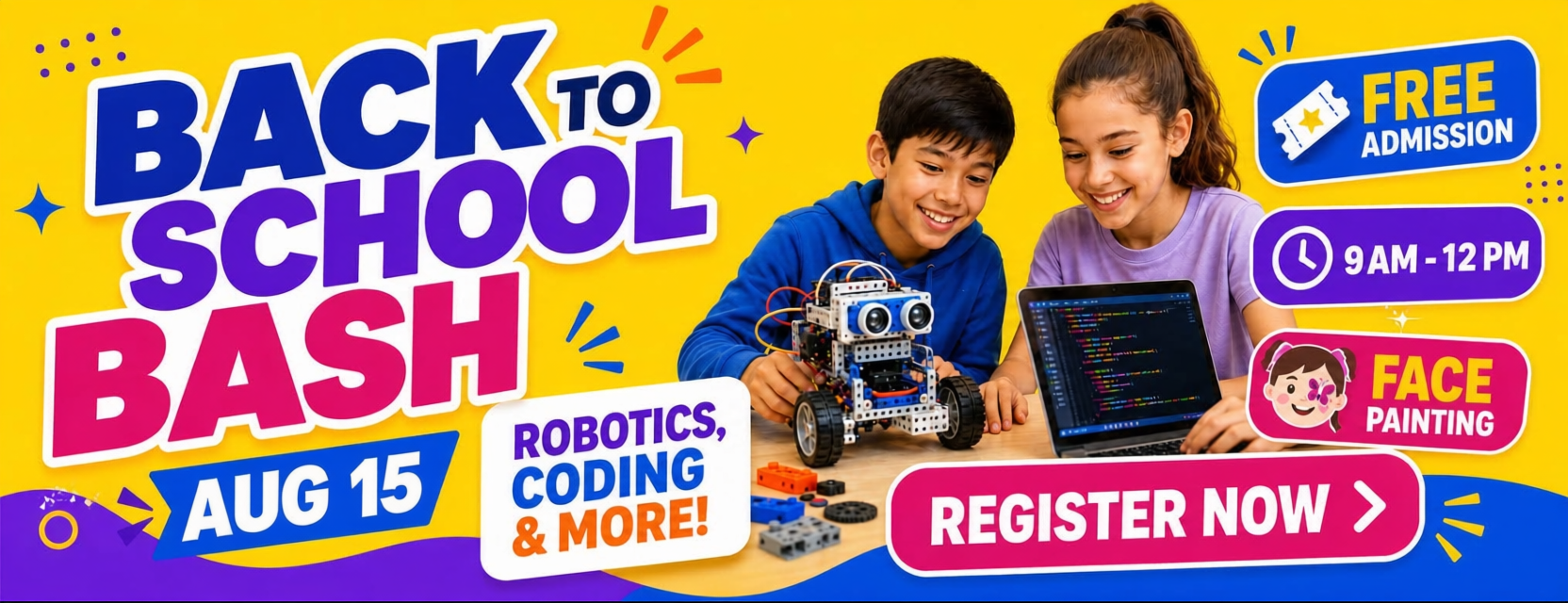
RAVENSWOOD BACK TO SCHOOL BASH- iCode Ravenswood 8/15
🚀 RAVENSWOOD BACK TO SCHOOL BASH! 🎒- Free Admission Robotics, Coding, Freebies, & Fun! Get ready for the ultimate back-to-school celebration! Join us at iCode Ravenswood for a jam-packed morning of high-tech exploration and family fun. Whether your child is a gaming fanatic, an aspiring engineer, or just loves to create, this FREE community event has something for everyone. Plus, we are rolling out our biggest perks of the year for families who decide to join iCode Ravenswood during the bash! 🎉 EXCLUSIVE SAME-DAY ENROLLMENT OFFERS: Thinking about STEM after-school programs? Secure your spot during the event and score these awesome perks: $50 OFF your registration fees! FREE iCode T-Shirt for your child! 🔬 WHAT’S HAPPENING? We’re throwing open the doors to our state-of-the-art facility and letting kids get hands-on with the coolest STEM tools on the planet: 🤖 Robotics Arena: Meet and command our advanced VEX-IQ robots. 💻 Coding Zones: Dive into game design with Scratch, Minecraft, and Roblox. 🖨️ 3D Printing: Watch imagination come to life layer by layer. 🚁 Drone Demonstrations: See high-flying drone tech in action. 🎨 Face Painting: Fun designs to keep the party vibe going strong! 🍿 Complimentary Snacks & Drinks: Fuel up on…
☀️ Is It Too Late to Enroll My Child in Summer Camp?
There's still time to make this summer one they'll remember. If you're reading this in the middle of summer and wondering, "Did I miss my chance?" You're not alone. In fact, it's one of the questions we hear most from parents this time of year. The short answer? Not necessarily. Some of our favorite camp stories begin in the second half of the summer. Life gets busy. Vacations, sports schedules, work, and family plans have a way of filling the calendar before we know it. But if you're still looking for a meaningful summer experience for your child, there are still great opportunities ahead. 🌞 Why the Last Weeks of Summer Matter By this point in the summer, many kids have had time to relax. They've slept in. They've enjoyed vacations. And eventually... "I'm bored." 😅 That's where a great camp can make all the difference. Instead of filling the day, kids spend it: Building robots Designing games Creating 3D models Solving engineering challenges They're not just staying busy. They're building confidence. 🚀 No Experience? No Problem One concern we hear all the time is: "My child has never coded before. Will they be behind?" Absolutely not. Many students walk…
Can Minecraft Really Teach Engineering? The Science Behind One of Kids’ Favorite Games
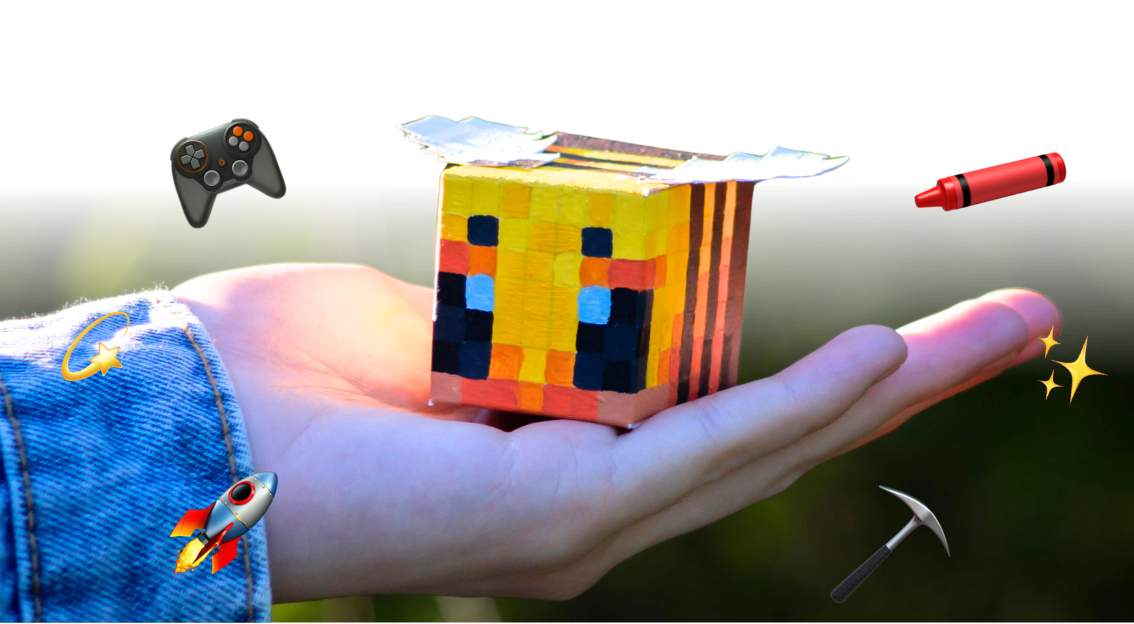
Can Minecraft Really Teach Engineering? The Science Behind One of Kids' Favorite Games 🎮 The Science behind Minecraft For many parents, Minecraft is simply another video game. It's easy to wonder whether all those hours spent building worlds are helping your child learn or just adding to their screen time. The answer might surprise you. When paired with the right guidance, Minecraft becomes much more than entertainment. It encourages children to think like engineers by solving problems, testing ideas, and creating something entirely their own. 🧱 Why Minecraft Is More Than "Just a Game" Unlike many games with a set objective, Minecraft is open-ended. Every project begins with an idea, followed by: 💡 Planning 🏗️ Building 🧪 Testing 🔄 Improving That's the same process engineers use to design everything from bridges to software. This style of learning, often called project-based learning, helps children actively apply what they're learning instead of simply memorizing information. As they experiment and overcome challenges, they're strengthening skills that transfer far beyond the game itself. 🚀 From Playing to Creating There's a big difference between using technology and creating with it. While many digital activities encourage passive consumption, Minecraft invites kids to become designers, builders, and…
Summer Activities in Chicago for Families That Keep Kids Learning (Without Feeling Like School)
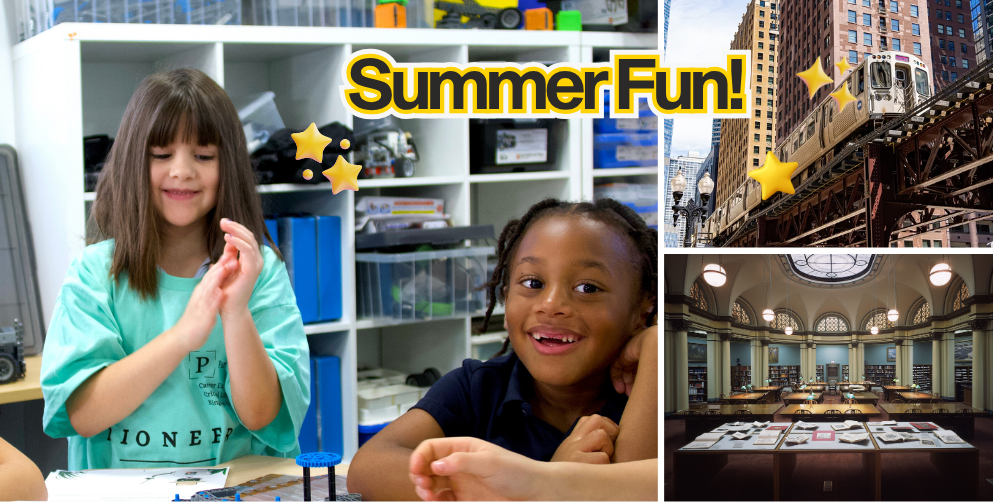
Summer has a funny way of speeding up. One minute you're celebrating the last day of school, and the next you're wondering how August is already around the corner. Between vacations, neighborhood festivals, and pool days, summer is also the perfect opportunity to keep your child's curiosity growing. The best part? Learning doesn't have to look like worksheets or homework. Some of the most valuable STEM lessons happen when children are simply exploring, asking questions, and discovering how the world works around them. If you're looking for summer activities in Chicago for families that are both fun and meaningful, here are a few ideas that can turn everyday adventures into opportunities for learning. 💡 Parent Tip: Wherever your summer adventures take you, ask your child one simple question: "What problem do you think someone was trying to solve?" It's a question engineers, inventors, designers, and scientists ask every day, and it's one of the easiest ways to turn an ordinary outing into a STEM adventure. 🏛️ Become a Curiosity Detective at Chicago's Museums Chicago is home to some of the best museums in the country, including the Griffin Museum of Science and Industry, Adler Planetarium, and the Field Museum. Instead…