


What’s Happening
What’s Happening
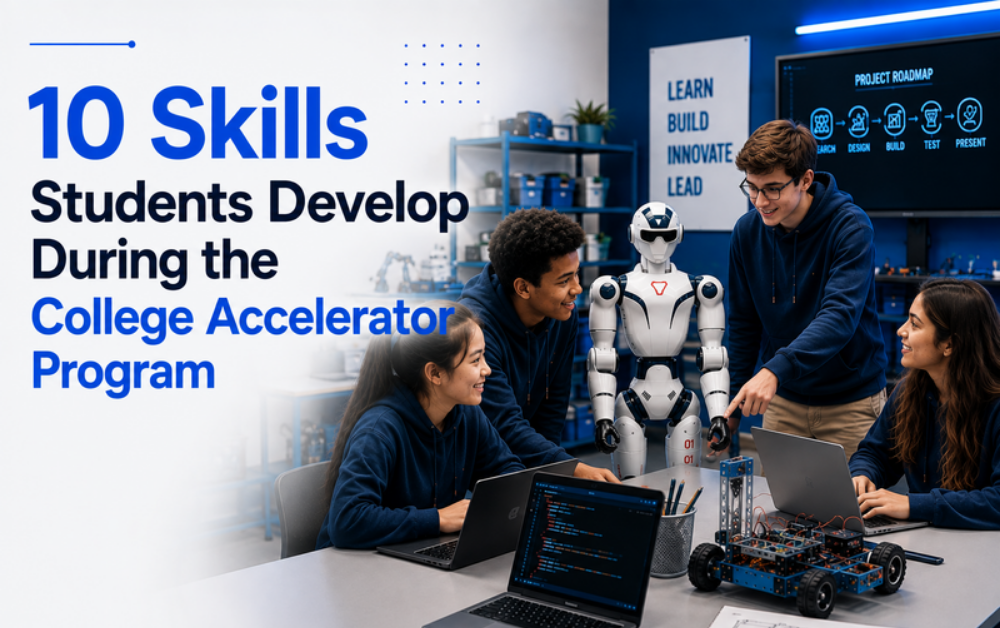
10 Skills Students Develop During the College Accelerator Program in Ashburn, VA
Parents in Ashburn, VA often ask the same question: what does my child actually walk away with after a semester in the College Accelerator Program? The honest answer is a lot more than a robotics badge. The World Economic Forum's Future of Jobs Report identifies analytical thinking, creative thinking, and technological literacy as the fastest-growing skill categories employers are looking for through 2030 — and those are precisely the muscles this program is designed to build, session after session. What Is the College Accelerator Program? The College Accelerator Program is iCode's advanced track for students ready to move beyond the Belt Program into college-level robotics and software engineering work. At its center is the Unitree R1 EDU humanoid robot — a 25kg platform with up to 40 degrees of freedom, an NVIDIA Jetson Orin processor delivering 100 TOPS, and 3D LiDAR paired with depth cameras for real-time perception. Students program it in Python and C++ through ROS 2, giving them direct experience with the same tools used in professional robotics development. 10 Skills Students Build Along the Way 1. Robotics Systems and Sensor Integration Working with a 25kg humanoid platform that has up to 40 degrees of freedom…
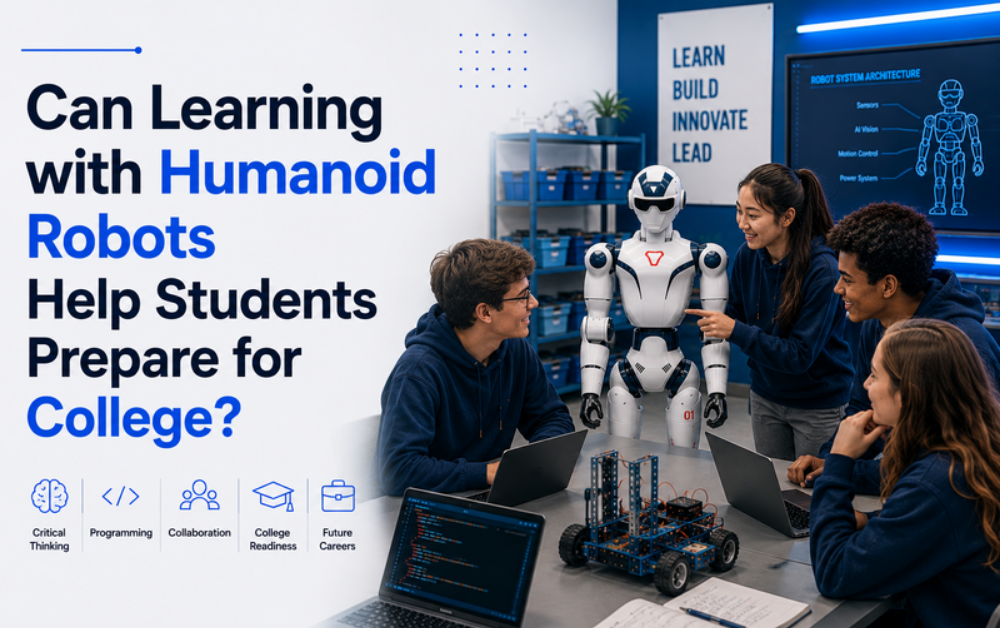
Can Learning with Humanoid Robots Help Students in Ashburn, VA Prepare for College?
Plenty of activities look good on a college application without teaching much of anything. The College Accelerator Program at iCode Ashburn takes the opposite approach: it's built around real robotics engineering first, and the college-readiness benefits follow naturally from the depth of the work itself. For students in Ashburn and the broader Loudoun County tech corridor, one of the most connected regions in Northern Virginia, that's a meaningful distinction. What "Ready for College" Actually Means in a STEM Context Being ready for a college engineering or computer science program isn't just about knowing facts, it's about being comfortable with ambiguity: a program that doesn't run, a robot that doesn't move the way it should, a result that doesn't match the plan. College courses assume students have already had some practice sitting with that discomfort and working through it methodically. That's a habit, not a fact you memorize, and it's exactly what the College Accelerator Program is built to develop. The Technical Skills That Translate Directly to College Coursework Python and C++ Through ROS 2 Students in the program write real code in Python and C++ using ROS 2, the same robotics framework used in university robotics labs and research settings.…
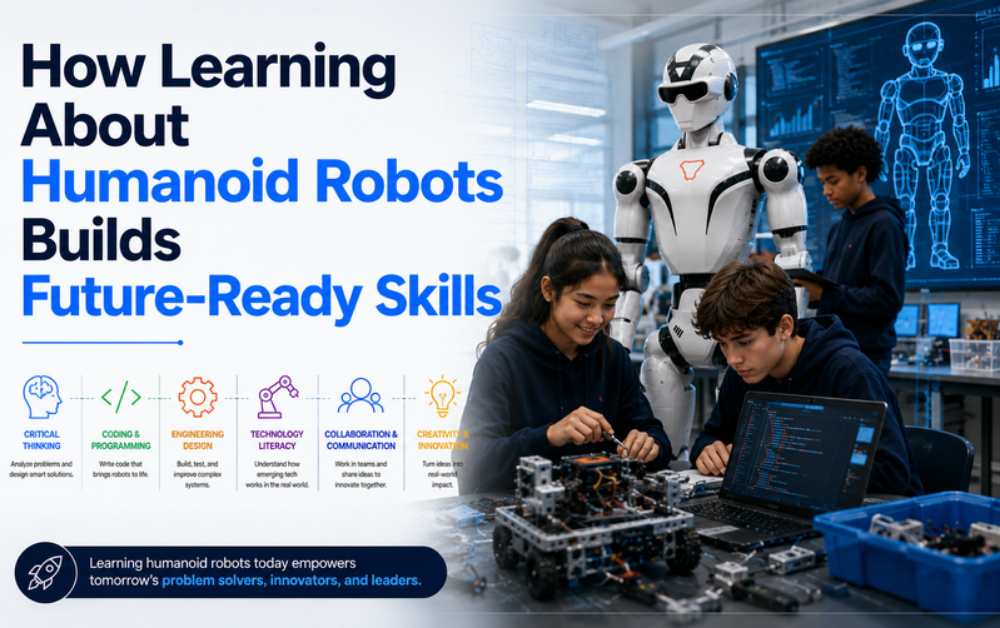
How Learning About Humanoid Robots Builds Future-Ready Skills in Ashburn, VA
Robotics used to mean a plastic kit and a page of instructions. At iCode Ashburn, it means something closer to what engineers actually do: writing code that controls a walking, sensing, decision-making machine. For families in Ashburn and the broader Loudoun County tech corridor, one of the most connected regions in Northern Virginia, that's a very different starting point for building future-ready skills. What Makes Humanoid Robotics Different From Other STEM Programs A lot of robotics programs stop at snapping pieces together and running a pre-built app. The College Accelerator Program goes further than that. Students aren't just assembling a robot, they're writing the code that tells an existing, fully built humanoid robot what to do, then watching it respond in real time. That single shift, from assembling to programming, is what separates this program from a typical beginner robotics camp. It's built for students who are ready to move past block-based coding and start working with the same kind of tools and language used in professional robotics. Why Ashburn Families Are Exploring Humanoid Robotics Now Families in Ashburn and the broader Loudoun County tech corridor, one of the most connected regions in Northern Virginia are increasingly looking for ways…
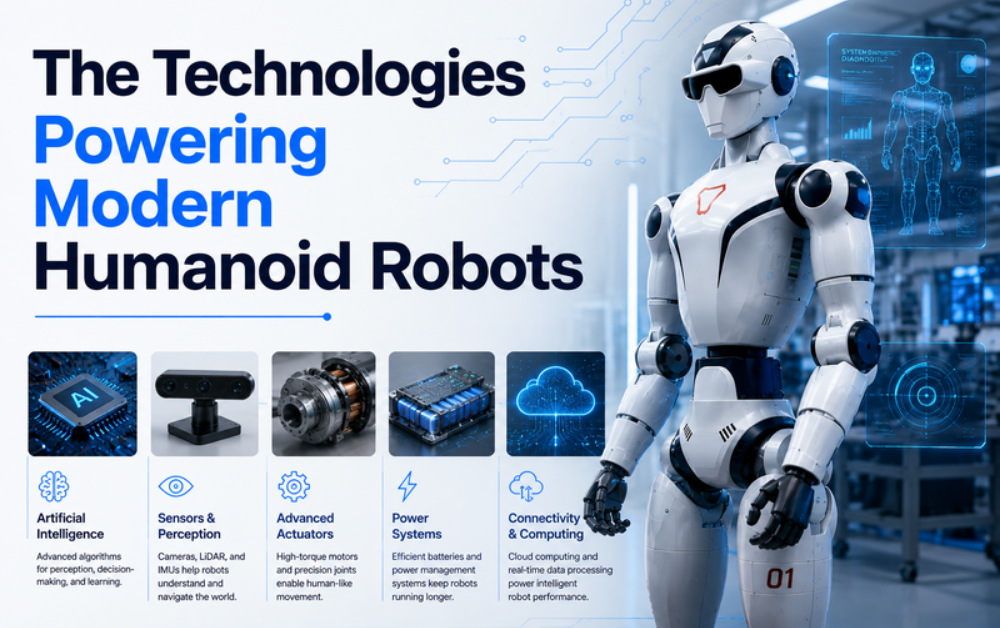
The Technologies Powering Modern Humanoid Robots
There's a gap between watching a humanoid robot video and understanding how the robot actually works, and that gap is exactly what this program closes for students in Ashburn, VA. Once you know what's happening under the hood, the technology stops feeling out of reach. What's Really Going On Inside a Humanoid Robot? A humanoid robot may look like one seamless machine, but it's really several distinct technologies operating as a team. Beneath the outer shell are sensors, motors, processors, and software constantly exchanging information, each one responsible for a specific piece of the job so the robot as a whole can sense, decide, and move. The Core Technologies at Work Onboard Computing — Where the Decisions Happen Every piece of sensor data eventually has to be processed somewhere, and it has to happen quickly. Onboard computing hardware handles this load, running camera feeds, sensor readings, and motor commands through the system simultaneously so the robot can respond without a noticeable delay. Artificial intelligence plays a role here as well, helping the robot recognize objects and make sense of its surroundings on the fly. Timing is what makes or breaks this layer of the system. If processing lags even slightly…
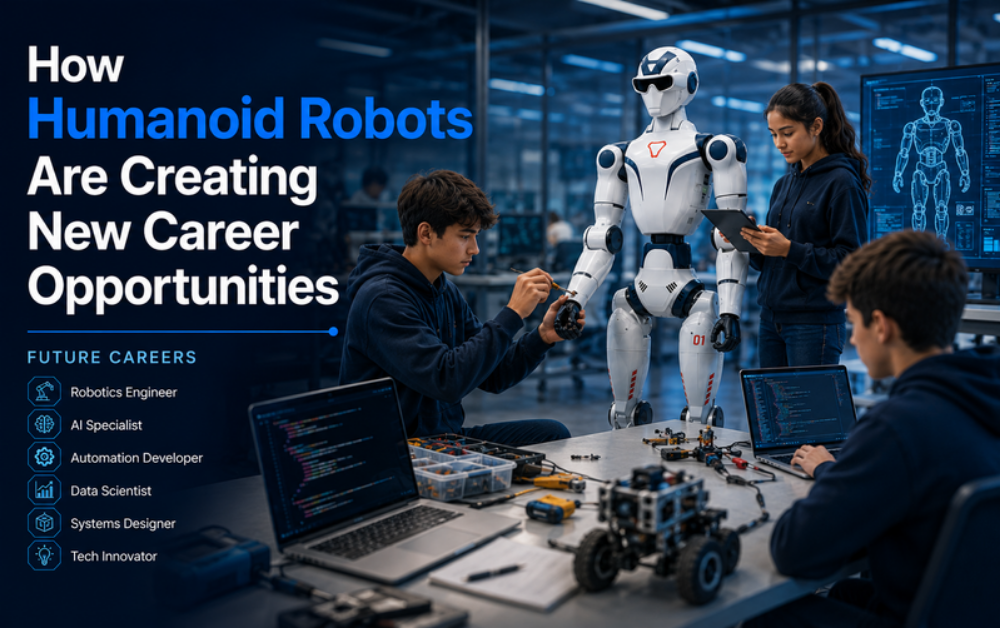
How Humanoid Robots Are Creating New Career Opportunities for the Next Generation in Ashburn, VA
Every generation grows up preparing for jobs their parents never had. For kids in Ashburn, VA, that job might involve teaching a robot how to move, keeping one running safely on a factory floor, or designing the software that lets it think. Humanoid robots aren't just changing how work gets done, they're building an entirely new career ladder underneath themselves, and that ladder is opening faster than most people realize. The Skills Behind These New Careers Coding and Computational Thinking Every one of these emerging roles touches code in some form, whether it's writing it, debugging it, or understanding what it's telling a machine to do. Kids who build comfort with programming early aren't just learning a subject, they're learning the language these careers run on. Hands-On Problem-Solving Robots fail in ways textbooks don't predict. A sensor misreads a surface, a motor stalls mid-task, a program runs but the movement looks wrong. Learning to troubleshoot a real, physical failure, not just debug a line of code, builds a kind of patience and persistence that transfers directly into these careers. Working Well in a Team Almost none of these emerging roles exist in isolation. A technician relies on a programmer's notes…
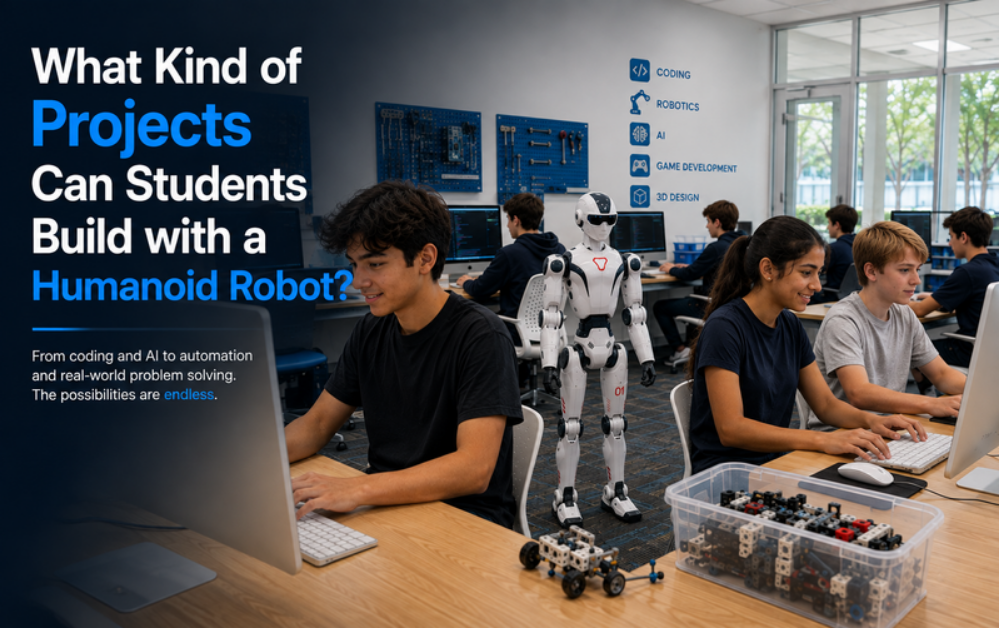
What Kind of Projects Can Students Build with a Humanoid Robot?
Ashburn is known for the infrastructure that keeps the internet running — a fitting home for students learning to build projects with real, physical robotics. The real value of a humanoid robot in a classroom isn't watching it perform — it's what students build using it. Here's a look at the kinds of projects that progression actually includes. Programming Perception, Not Just Motion Teaching a Robot to Recognize and Sort Objects After movement, students build projects around perception — using the robot's cameras to identify a specific object and decide what to do with it, instead of simply repeating a memorized motion. Breaking the Project Into Stages It typically comes down to defining the object, coding the detection logic, running tests to catch false matches, and finally programming what the robot physically does once it identifies the right target. Where Every Student Project Begins Coding a Path From Point A to Point B Before students tackle anything advanced, they usually start by getting the robot to walk a short path and stop exactly where intended. It looks simple from the outside, but it teaches students how many small corrections go into a single steady step. Capstone Projects Students Build Toward…
Why Humanoid Robots Are at the Center of the Next Technology Revolution
Known as a hub for the infrastructure that powers the internet itself, Ashburn is a fitting place for kids to learn what happens when computing finally gets a body. Every generation has a technology that redraws what seems possible. For today's kids, that technology has a body. Humanoid robots — machines designed to walk, balance, grip, and react like a person — are moving out of research labs and into daily life. This is a turning point, not a trend. Machines that can operate in the same physical world people do are reshaping industries, classrooms, and expectations — placing humanoid robots firmly at the center of the next technology revolution. Built to Operate Like People Do Built to Move, Sense, and Respond Because a humanoid robot shares the same physical environment as the people around it, it needs more than a single repeated motion. It needs balance, awareness, and the ability to adjust — all at once. Movement and Coordination Every step involves dozens of small corrections happening at once, coordinating joints the way a person coordinates muscles without thinking about it. Perception and Response Depth cameras and other sensors give the robot a working picture of its surroundings, so…
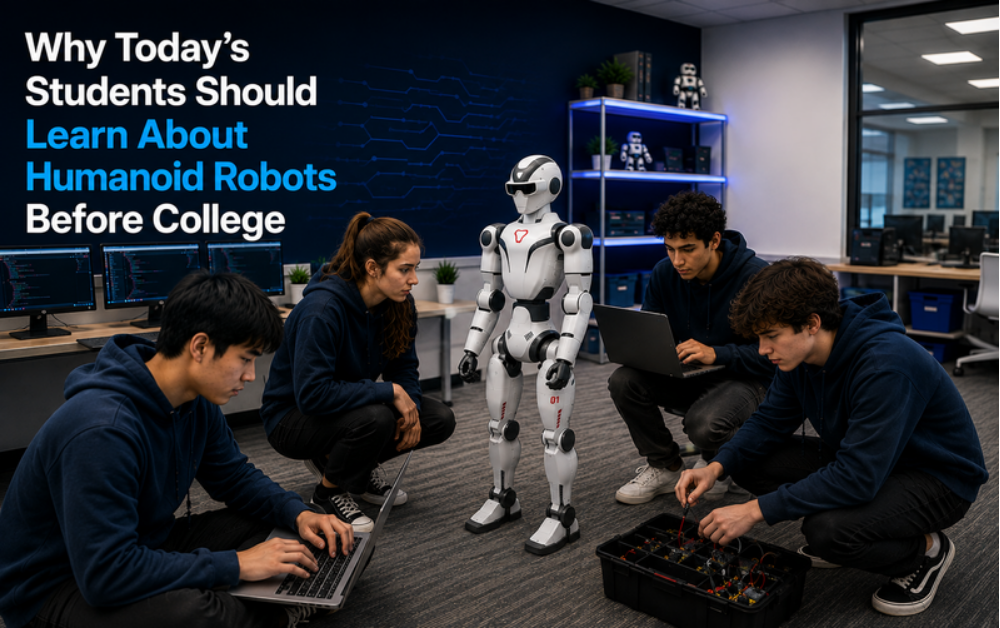
Why Today’s Students in Ashburn, VA Should Learn About Humanoid Robots Before College
Ten years ago, a walking, talking humanoid robot was something you saw in a movie, not something a middle schooler could program. That's no longer true. In Ashburn, VA — a town that quietly runs a huge share of the internet's data infrastructure, giving kids an early, everyday sense of what the tech economy actually looks like — students now have a chance to work directly with humanoid robotics before they ever fill out a college application. The Skills That Actually Transfer Beyond Just Learning to Code Hands-on programming: Students aren't just learning to code in theory — they're writing Python and C++ that has to actually work on a physical robot in front of them. Debugging mindset: Robotics rewards persistence. A student who spends a session tracking down why a sensor reading is off learns a kind of patience that most classroom assignments don't teach. Team-based building: Students work in small teams toward a shared goal, dividing up problems the way an actual engineering team would — a very different experience from solo homework. Why This Looks Different From a Typical Coding Class The difference is the platform. Writing code that moves a real, physical robot forces a level…
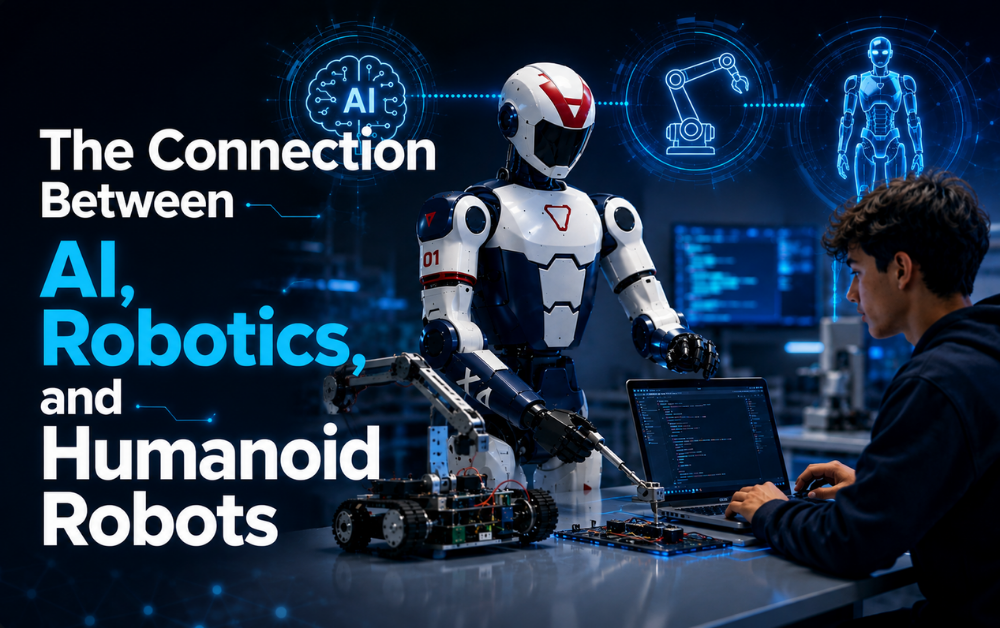
The Connection Between AI, Robotics, and Humanoid Robots — Explained for Ashburn Students
Ashburn sits at the center of one of the largest concentrations of data centers in the world — the infrastructure that much of today's AI actually runs on. At iCode Ashburn, students get to see the other side of that infrastructure: what all that computing power looks like when it's driving a real, physical robot instead of sitting in a server rack. What Is AI, Really? It's Pattern Recognition, Not Magic Strip away the buzzwords, and AI is really just software that learns from examples instead of following a fixed set of instructions. Feed it enough images of stop signs, and it learns to recognize a stop sign. Feed it enough sentences, and it learns to predict what word comes next. It's pattern recognition, scaled up. What Is Robotics? The Physical Side of Smart Machines Robotics covers the physical side: the motors, joints, sensors, and structure that let a machine interact with the real world. A robotic arm can lift something the instant it's told to. What robotics alone can't do is figure out what to lift, when, or how to adjust if something changes. How AI and Robotics Work Together AI Is the Brain, Robotics Is the Body This…
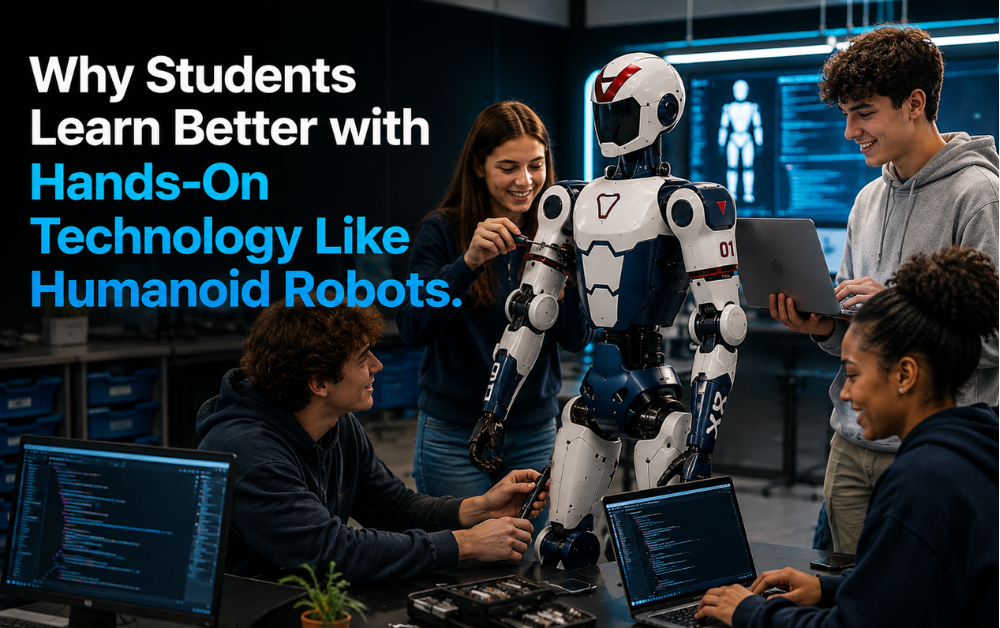
Why Students Learn Better with Hands-On Technology Like Humanoid Robots
Ashburn sits at the center of what the industry calls Data Center Alley, the corridor that quietly runs a huge share of the internet's infrastructure. Hands-on learning gives students the chance to actually touch and program that kind of technology, instead of just living near where it happens out of sight. At iCode Ashburn, students build with technology instead of just reading about it, and when that technology is a real humanoid robot, the lesson sticks far more than a lecture would. Why Doing Beats Watching This isn't just a hunch. Applying a concept produces stronger recall than simply hearing about it, since doing something forces the brain to process it differently than passive listening does. That's built into every session of the Youth Innovation Program, where students test concepts directly, not just absorb them. A student who only hears how a robot's cameras track a moving object might remember a term for a quiz. A student who writes the code, watches the tracking lose the object, and figures out why remembers it for years. A Robot That Doesn't Cooperate (At First) Here's what that looks like in practice. A student programs the robot's cameras to detect and follow a…
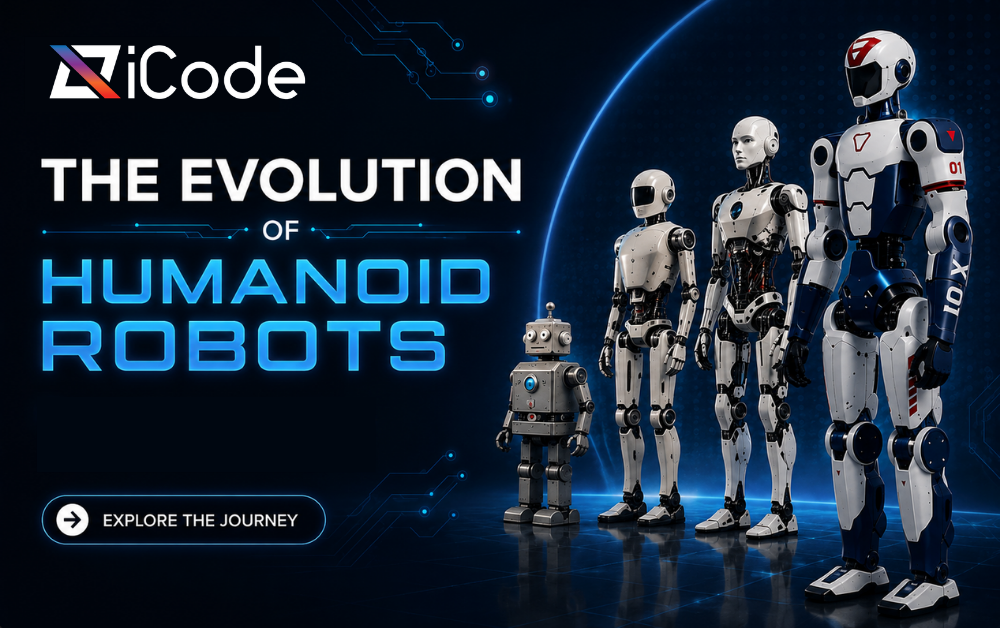
The Evolution of Humanoid Robots: From Science Fiction to STEM Education
Living in Data Center Alley Ashburn sits at the center of what the industry calls Data Center Alley, the corridor that quietly runs a huge share of the internet's infrastructure. Kids growing up here are surrounded by the physical backbone of modern computing, even if it's mostly hidden behind unmarked buildings. A hands-on robotics program gives them a chance to actually touch and program the kind of technology their region is built around. The Robot, In Detail At iCode Ashburn, students work with the Unitree R1 EDU, a 25-kilogram humanoid robot with up to 40 degrees of freedom, an onboard NVIDIA Jetson Orin AI computer running at 100 trillion operations per second, and 3D LiDAR paired with depth cameras for real-time sensing. Students write every line of the code that controls it, in Python and C++ through ROS 2. Tracking a Moving Target One project has students programming the robot's cameras to detect and follow a moving object, keeping it centered as it moves. The first attempt often lags behind or loses track entirely when the object moves too fast. A mentor doesn't solve the timing problem directly — they help the student isolate where the delay is coming from…
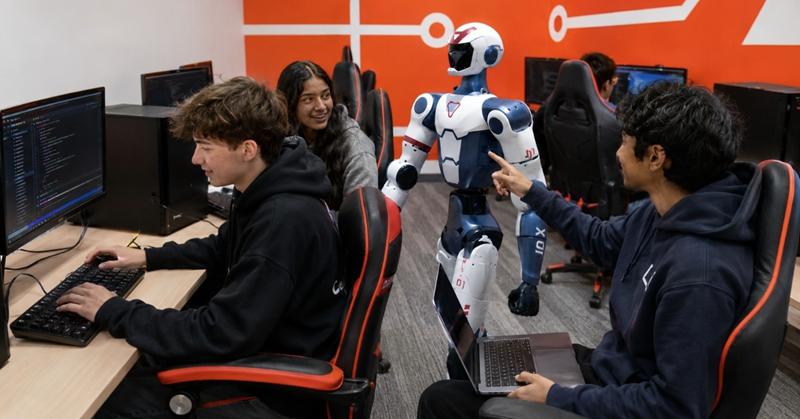
Why More Families in Ashburn Are Turning to Humanoid Robotics Education
Artificial intelligence and robotics are no longer concepts limited to science fiction movies. These technologies are becoming part of everyday life and are influencing industries around the world. As technology continues evolving, many parents in Ashburn are looking for educational opportunities that help students build future-ready skills through engaging STEM experiences. This summer, students at iCode Ashburn will have the opportunity to work with Unitree R1 humanoid robots arriving on campus. The Unitree R1 was selected because it gives students hands-on exposure to robotics, artificial intelligence, engineering, and automation concepts in a highly interactive learning environment. Instead of only learning coding on a screen, students can experience how intelligent robotics systems move, respond, and interact with the world around them. Why Robotics Education Is Growing in Popularity Technology-related careers continue growing across industries including healthcare, software development, logistics, engineering, entertainment, and manufacturing. According to the U.S. Bureau of Labor Statistics, computer science and technology-related careers are expected to remain in high demand over the coming years. Robotics education helps students build valuable skills such as: Critical thinking Problem solving Creativity and innovation Collaboration and teamwork Coding and engineering concepts Technology confidence Hands-on STEM learning experiences can also help students stay…