

What’s Happening
What’s Happening
Demo Day: How Students Present Real Innovation Projects
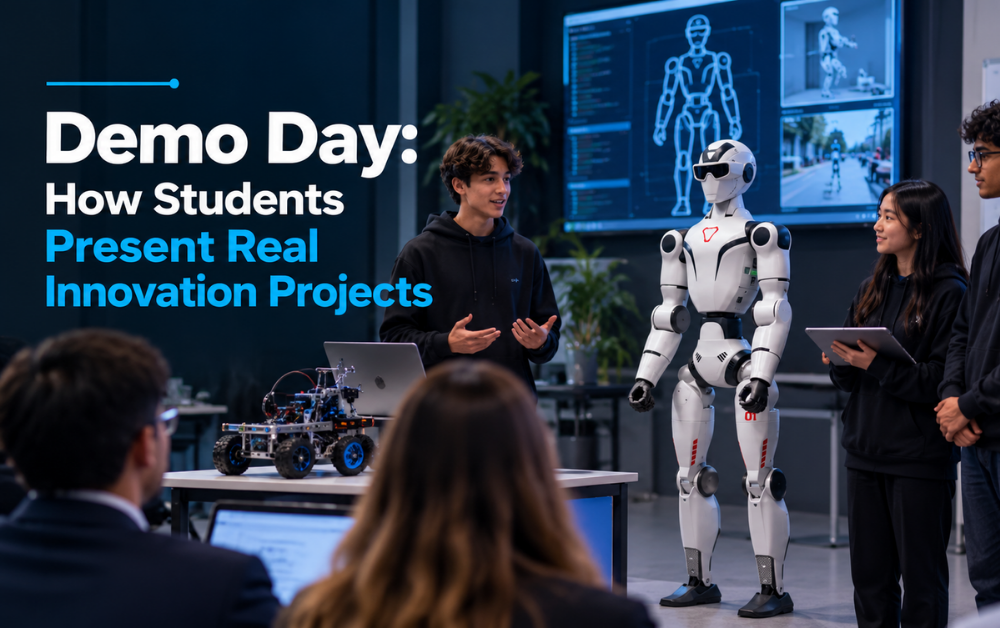
There's a specific kind of nervous energy in a room right before Demo Day starts. Robots are lined up, students are running through their talking points one more time, and everyone knows the questions won't be scripted. At iCode Augusta, GA, that pressure is treated as part of the learning, not something to avoid. Here's what Demo Day actually looks like, and what it teaches that the build itself doesn't. What Actually Happens on Demo Day Demo Day isn't a single formal event with a stage and a podium — it's a working session where each student or team sets up their robot, walks through what it does, and takes real questions from the people watching. It's closer to a science fair than a graduation ceremony. Visitors move station to station, students repeat and adjust their explanation for each new audience, and by the third or fourth walkthrough most students have already found a clearer way to say something than they had the first time. A Typical Demo Day Setup Each student or team sets up their robot at their own station Parents, peers, and mentors circulate and watch short walkthroughs Every presentation ends with unscripted questions from the audience…
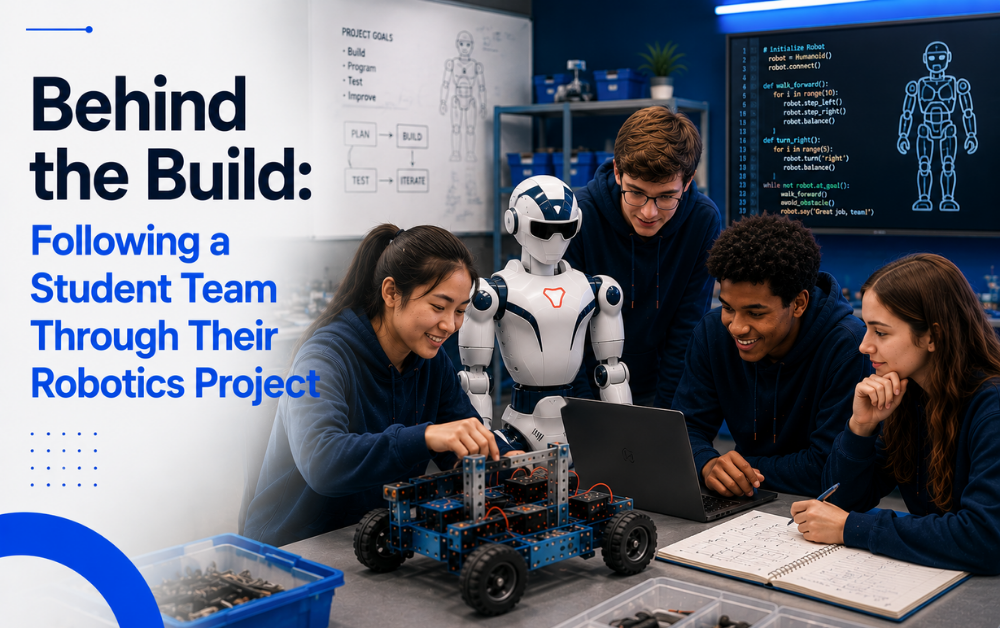
Behind the Build: Following a Student Team Through Their Robotics Project
It's easy to describe a robotics project in one sentence: "the team built a robot that did X." What that sentence skips is every decision, disagreement, and small failure that got the team there. At iCode Augusta, GA, this is what a typical humanoid robot build actually looks like behind the scenes — the version that doesn't fit in a one-line summary. Day One: Staring at a Blank Robot and a Big Idea Every build starts the same way: a robot with no instructions loaded, a rough goal from a mentor, and a team of students who haven't yet decided who's doing what. It's a slower start than it sounds — most of day one is just figuring out what's actually possible. There's usually a moment early on where the goal sounds simpler than it turns out to be. A team might assume getting the robot to react to a sound is a quick task, only to realize there are several smaller problems hiding inside that one idea. Sorting that out before writing any code saves the team from redoing work later. The First Team Meeting Talking through what the robot needs to do, in plain language, before anyone opens…
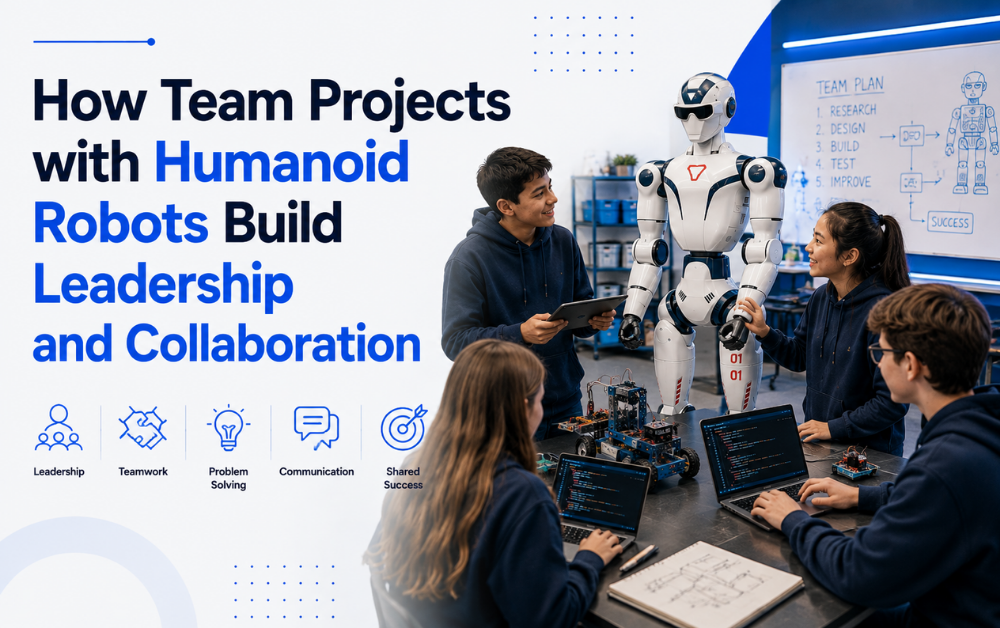
How Team Projects with Humanoid Robots Build Leadership and Collaboration
A humanoid robot is a strange kind of teammate. It won't do anything unless a group of students agrees on what it should do first — and that single requirement changes how kids work together almost instantly. At iCode Augusta, GA, that dynamic is used on purpose. Team robotics projects are structured so that getting the robot to move, respond, or complete a task depends on students leading, listening, and dividing work well. What Team-Based Humanoid Robot Projects Look Like A team project usually starts with a goal the robot has to accomplish — walk to a marked point, respond to a spoken cue, react to an object in its path — and a group of students who have to figure out, together, how to make that happen. Real Project Examples Programming a coordinated routine where one student handles movement logic and another handles sensor response Building a simple task-completion challenge and dividing testing duties across the team Debugging a failed run together, with each student explaining their part of the code before the group changes it The Collaboration Skills That Come With It Leadership without collaboration just means one student giving orders. Team robot projects are designed so that…
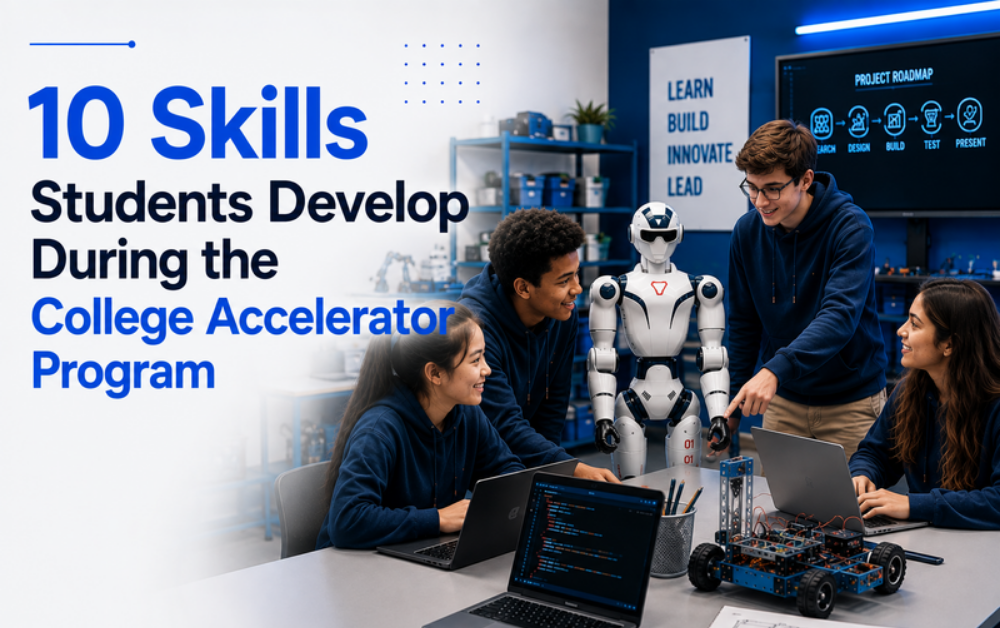
10 Skills Students Develop During the College Accelerator Program in Augusta, GA
At iCode Augusta, GA, the College Accelerator Program gives students something most after-school programs can't: sustained, project-based time with a real humanoid robotics platform. It's a different kind of learning curve than a typical STEM class, and it shows in the skills students carry with them. The World Economic Forum's Future of Jobs Report points to technological literacy and analytical thinking as two of the fastest-rising skill demands through 2030 — both of which sit at the center of this curriculum. What Is the College Accelerator Program? The College Accelerator Program is iCode's advanced track for students ready to move beyond the Belt Program into college-level robotics and software engineering work. At its center is the Unitree R1 EDU humanoid robot — a 25kg platform with up to 40 degrees of freedom, an NVIDIA Jetson Orin processor delivering 100 TOPS, and 3D LiDAR paired with depth cameras for real-time perception. Students program it in Python and C++ through ROS 2, giving them direct experience with the same tools used in professional robotics development. 10 Skills Students Build Along the Way 1. Computational and Algorithmic Thinking Before a single line of code runs on the robot, students at iCode…
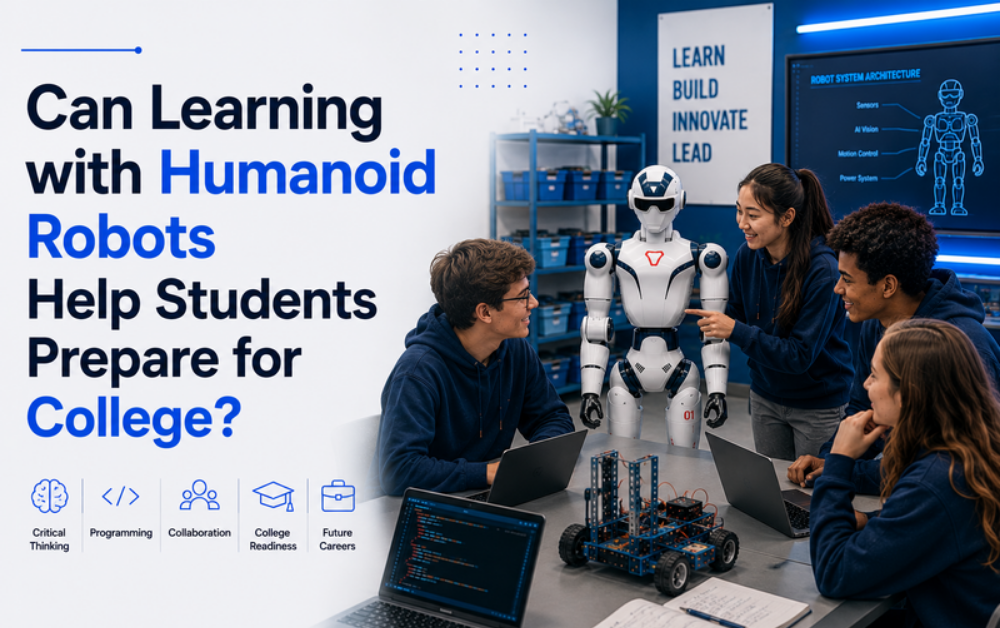
Can Learning with Humanoid Robots Help Students in Augusta, GA Prepare for College?
College engineering and computer science programs don't ease students in gently. They expect students to already be comfortable with real programming languages, real hardware, and real problem-solving under uncertainty. iCode Augusta's College Accelerator Program was designed to close that gap early, giving students in the Augusta area, home to a growing cyber and technology sector anchored by Fort Eisenhower a genuine preview of what that coursework feels like. What "Ready for College" Actually Means in a STEM Context Being ready for a college engineering or computer science program isn't just about knowing facts, it's about being comfortable with ambiguity: a program that doesn't run, a robot that doesn't move the way it should, a result that doesn't match the plan. College courses assume students have already had some practice sitting with that discomfort and working through it methodically. That's a habit, not a fact you memorize, and it's exactly what the College Accelerator Program is built to develop. Why Augusta Students Are Getting This Head Start Early Families across the Augusta area, home to a growing cyber and technology sector anchored by Fort Eisenhower are increasingly looking past one-off camps toward experiences that build real, demonstrable skill over time. The…
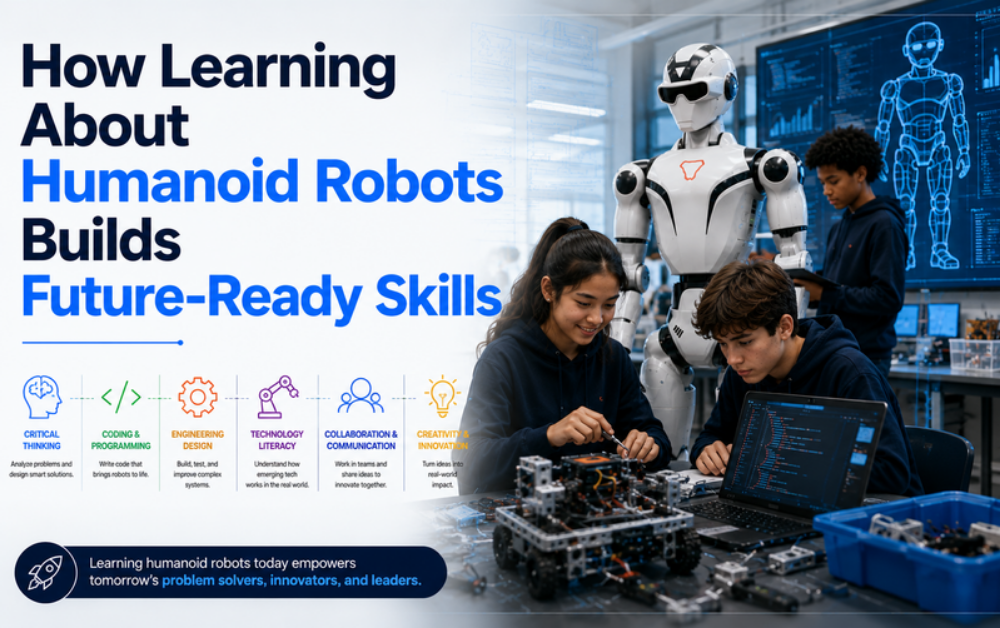
How Learning About Humanoid Robots Builds Future-Ready Skills in Augusta, GA
Most STEM camps teach kids to follow steps someone else already wrote. The College Accelerator Program at iCode Augusta teaches them to think like the people who design those steps in the first place. Working with a humanoid robot forces a level of problem-solving that a worksheet never will, and for students in the Augusta area, home to a growing cyber and technology sector anchored by Fort Eisenhower, that experience is now available close to home. What Makes Humanoid Robotics Different From Other STEM Programs A lot of robotics programs stop at snapping pieces together and running a pre-built app. The College Accelerator Program goes further than that. Students aren't just assembling a robot, they're writing the code that tells an existing, fully built humanoid robot what to do, then watching it respond in real time. That single shift, from assembling to programming, is what separates this program from a typical beginner robotics camp. It's built for students who are ready to move past block-based coding and start working with the same kind of tools and language used in professional robotics. Meet the Robot Students Learn On Built for Real Engineering, Not Just Play The robot at the center of…
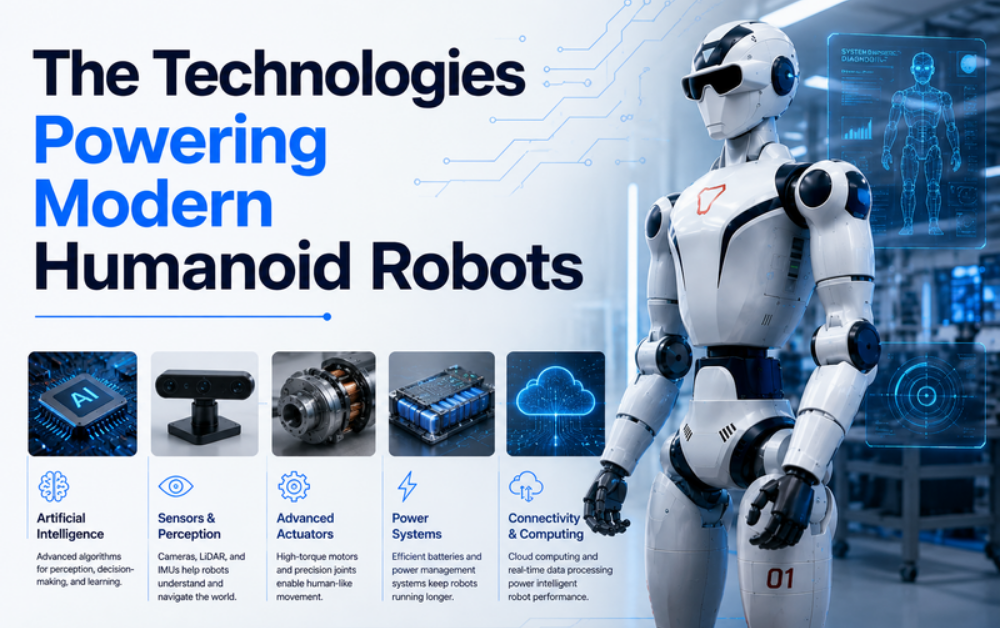
The Technologies Powering Modern Humanoid Robots
Every humanoid robot that balances on two legs or reaches for an object is running several technologies at once, in constant coordination. For students in Augusta, GA, unpacking what those technologies are — and how they talk to each other — is the real starting point for learning robotics. What's Really Going On Inside a Humanoid Robot? A humanoid robot may look like one seamless machine, but it's really several distinct technologies operating as a team. Beneath the outer shell are sensors, motors, processors, and software constantly exchanging information, each one responsible for a specific piece of the job so the robot as a whole can sense, decide, and move. The Core Technologies at Work Software and Programming Frameworks — Where the Logic Lives None of the hardware in a humanoid robot does anything useful without software to direct it. Frameworks like ROS 2 (Robot Operating System) give developers a standardized way to connect sensors, actuators, and computing hardware into a single coordinated system. Students generally write this logic in Python or C++, two languages used well beyond robotics, so the programming skills learned here transfer directly into other technical work. One thing students notice quickly is how immediate the…
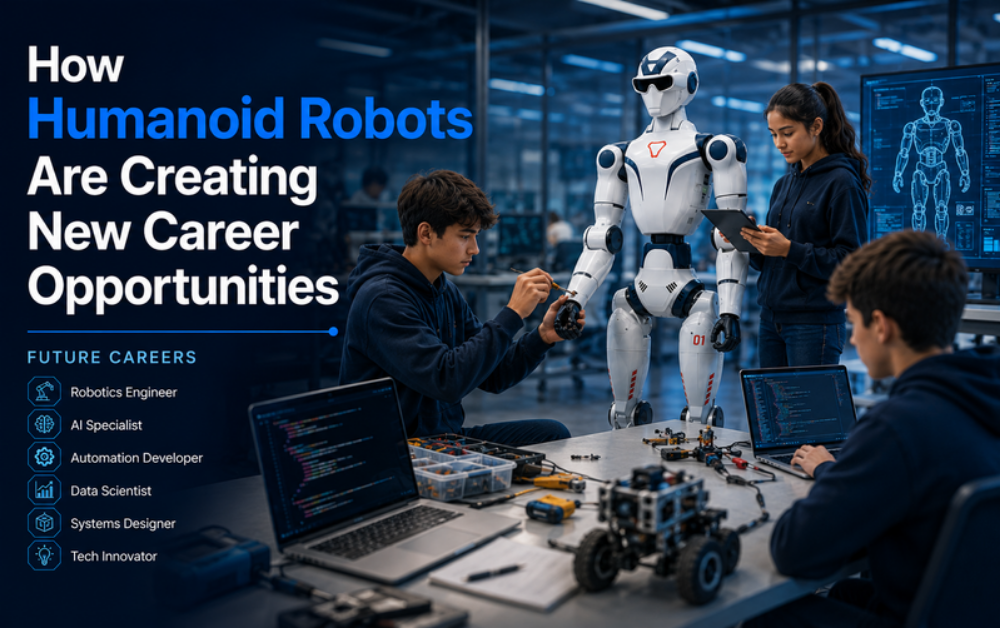
How Humanoid Robots Are Creating New Career Opportunities for the Next Generation in Augusta, GA
Walk through a modern warehouse or hospital today and there's a decent chance a humanoid robot is somewhere nearby, lifting, sorting, or assisting. Behind every one of those machines sits a small team of people who built, trained, and maintain it. For families in Augusta, GA, that's not a distant trend. It's a preview of the career paths their kids could be walking into in the next ten to fifteen years. New Career Paths Emerging Around Humanoid Robots The global humanoid robot market is projected to grow from under $11 billion in 2026 to more than $54 billion by 2031, according to Global Market Insights. That kind of growth doesn't happen without a matching surge in the people needed to build, run, and manage the machines. Four career paths in particular are opening up fast. Robotics Technicians and Field Engineers Every deployed robot needs someone who can install it, calibrate it, and fix it when a sensor drifts or a joint sticks. This is hands-on, practical work, closer to a skilled trade than a desk job, and demand for people who can do it is climbing alongside every new robot rollout. AI Trainers and Robotics Programmers A robot doesn't learn…
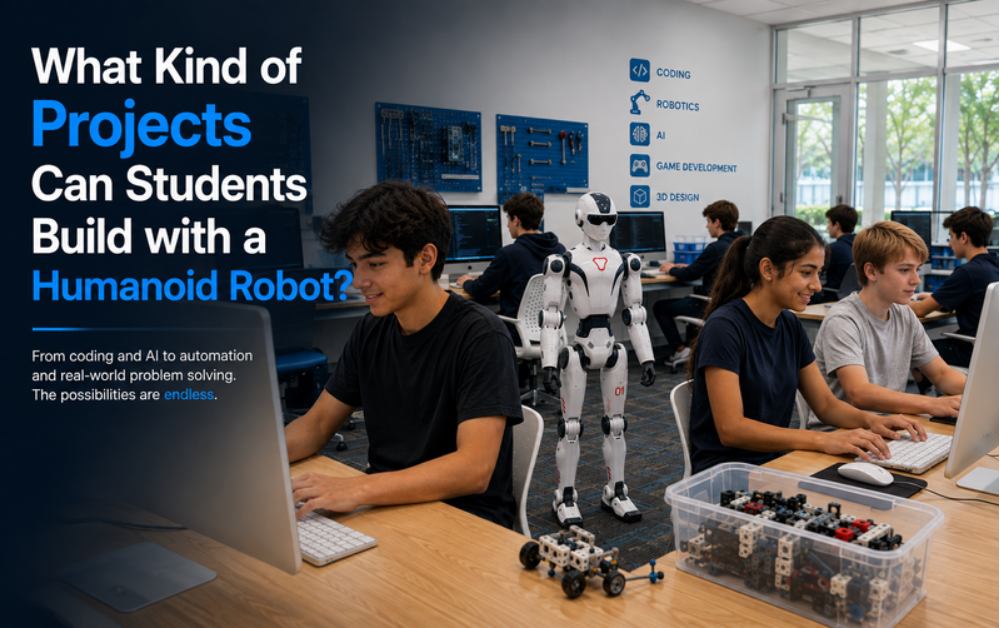
What Kind of Projects Can Students Build with a Humanoid Robot?
Augusta is home to a major cyber and defense technology hub, which makes it a fitting place for students to build hands-on robotics projects of their own. Working with a humanoid robot means building with it, not just watching it. Here's what that looks like in practice, from the first project to the most advanced. Projects That Involve People, Not Just Objects Building a Command-and-Response Project Some of the most popular student projects involve interaction — programming the robot to respond to a specific voice command or hand gesture with a matching action, like turning, waving, or stopping. Programming a Guided Walk-Through Students who want more of a challenge often build a tour-style routine — the robot follows a person or moves through a sequence of stops, using both its sensors and its movement programming together. Building Confidence Through Movement Programming a Robot to Walk and Balance The first project most students build is deceptively simple: get the robot to walk to a point and stop without toppling over. Underneath that simple goal is a real lesson in balance, timing, and how many tiny adjustments the robot's joints make with every step. Augusta, GA Students Get Hands-On With All of…
Why Humanoid Robots Are at the Center of the Next Technology Revolution
As home to a major hub for cyber and defense technology, Augusta has a community that already thinks seriously about the systems running the modern world. Screens dominated the last wave of technology. The next one has arms, legs, and a sense of balance. Humanoid robots are leaving research labs behind and showing up in classrooms, workplaces, and homes at a pace few expected. That change reaches far beyond any single industry. When machines can move and respond in physical space the way people do, it reshapes what is possible — and that is precisely why humanoid robots are driving the next technology revolution. Augusta, GA Students Are Already Learning This Where This Learning Happens At iCode Augusta, students can explore this shift firsthand through the Youth Innovation Program, an eight-week, mentor-led course built around a real humanoid robotics platform. Students learn to program movement, sensing, and response — guided the whole way by mentors who teach the thinking behind the machine, not just the machine itself. When Software Gets a Body Learning by Doing, Not Just Watching Instructions typed into a computer stay abstract until something responds to them. A humanoid robot closes that gap immediately: a command becomes…
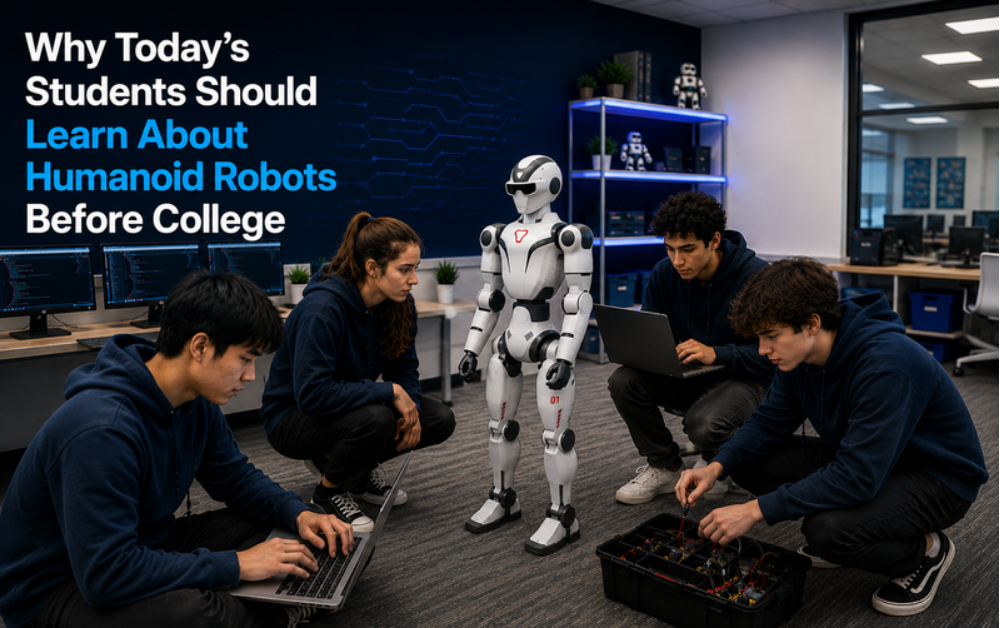
Why Today’s Students in Augusta, GA Should Learn About Humanoid Robots Before College
Ten years ago, a walking, talking humanoid robot was something you saw in a movie, not something a middle schooler could program. That's no longer true. In Augusta, GA — a city that has spent the last decade building out its reputation in cybersecurity and applied tech — students now have a chance to work directly with humanoid robotics before they ever fill out a college application. Why This Skill Set Matters Before College Applications Most students don't touch anything like this until their second or third year of an engineering degree, if they touch it at all. Getting hands-on exposure to it while still in middle or high school means a student walks into college application season with something most of their peers don't have: a real project, not just a class they sat through. Admissions officers read thousands of essays about "interest in STEM." A student who can point to a robotics team they were part of, a problem they debugged, or a project they presented stands out for a reason that has nothing to do with luck. The Skills That Actually Transfer Beyond Just Learning to Code Real coding experience: Students write and test actual Python and…
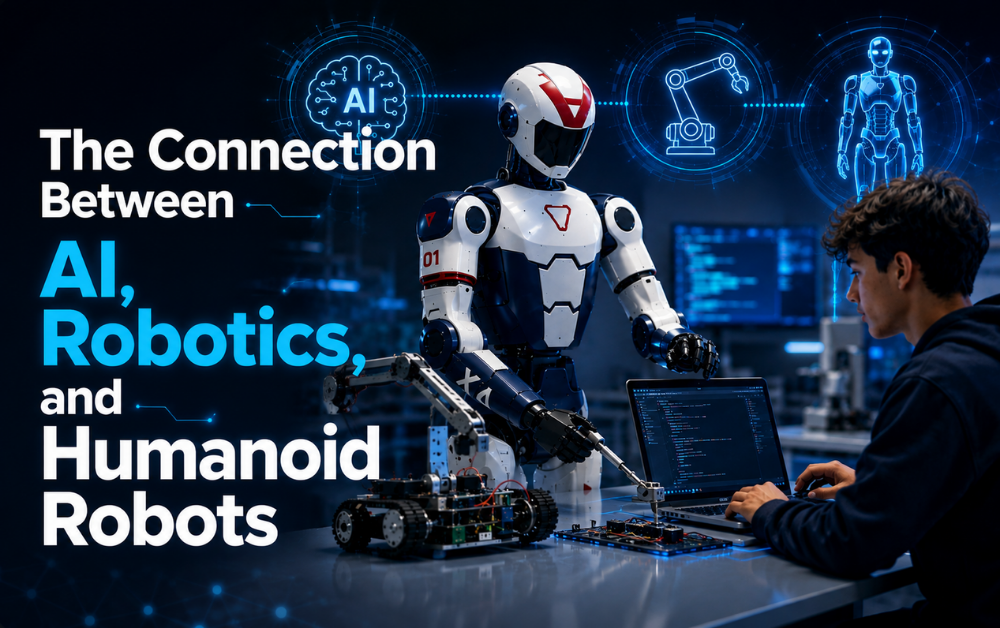
The Connection Between AI, Robotics, and Humanoid Robots — Explained for Augusta Students
Augusta has become a serious hub for cybersecurity and systems work over the past decade, largely thanks to the military and defense presence nearby. Families here are often more familiar than most with careers built around code, sensors, and secure systems — which makes the connection between AI and robotics feel less abstract and more like a natural next step. What Is AI, Really? It's Pattern Recognition, Not Magic AI often gets talked about like it's mysterious, but the underlying idea is fairly down to earth: a program that improves at a task by processing large amounts of example data, rather than being told exactly what to do step by step. Recognizing a face, translating a sentence, predicting the next move in a game — all pattern recognition, just at a scale humans can't do by hand. What Is Robotics? The Physical Side of Smart Machines Robotics is engineering, not software — the actual hardware that lets a machine sense and move through physical space. Wheels, joints, cameras, and motors all fall under robotics. None of that hardware knows what to do with what it senses, though, until something else makes the decisions. How AI and Robotics Work Together AI…